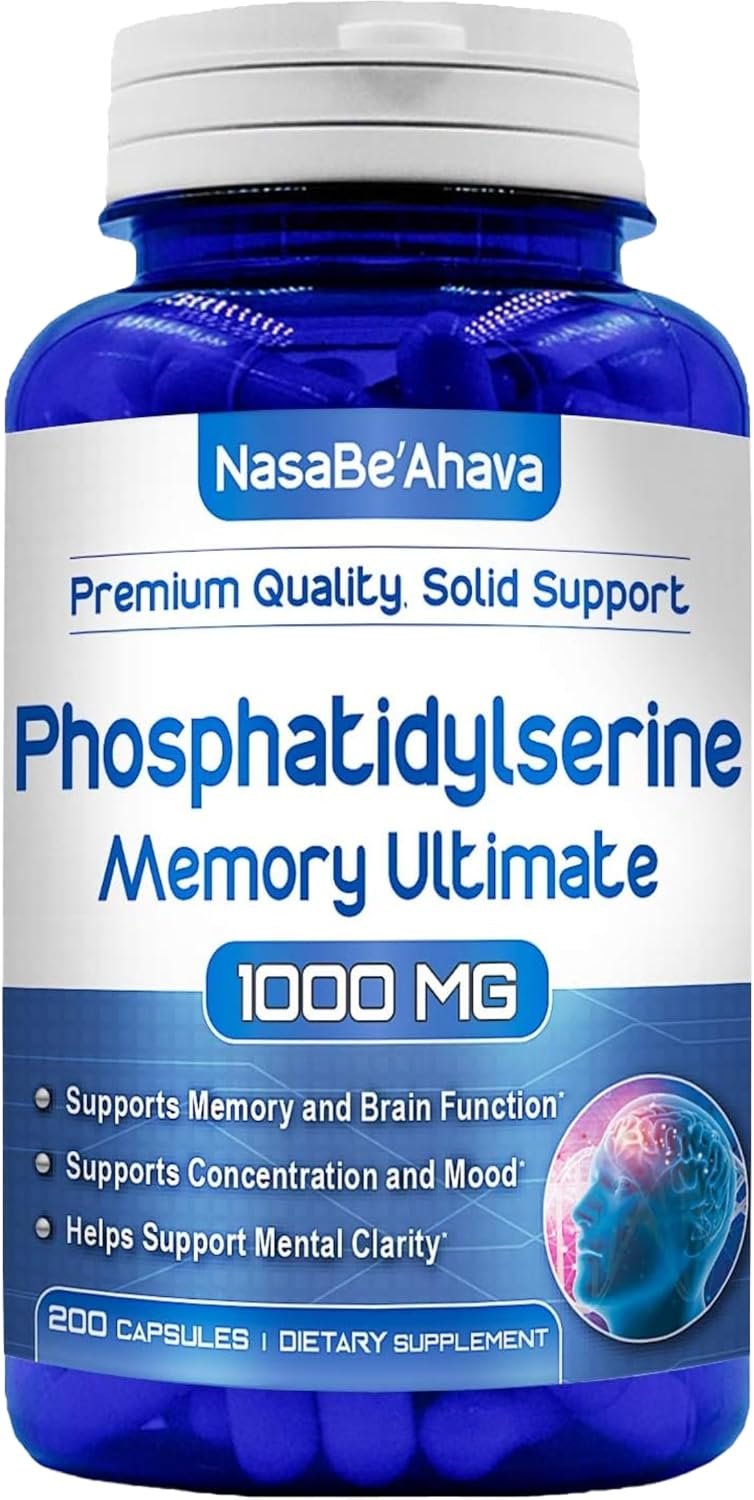
The Memory Supplement for Brain Support is a possible option for adults who want a capsule with several listed ingredients, but the supplied evidence doesn’t establish that it improves memory or focus; the listing gives a price of $25.99 and a 200-capsule count. Its ingredient doses and serving size aren’t provided, so you can’t assess dose transparency or calculate cost per serving from the available details.
- The listing identifies NasaBeahava as the brand and describes the product as an adult capsule supplement.
- The bottle is listed as containing capsules.
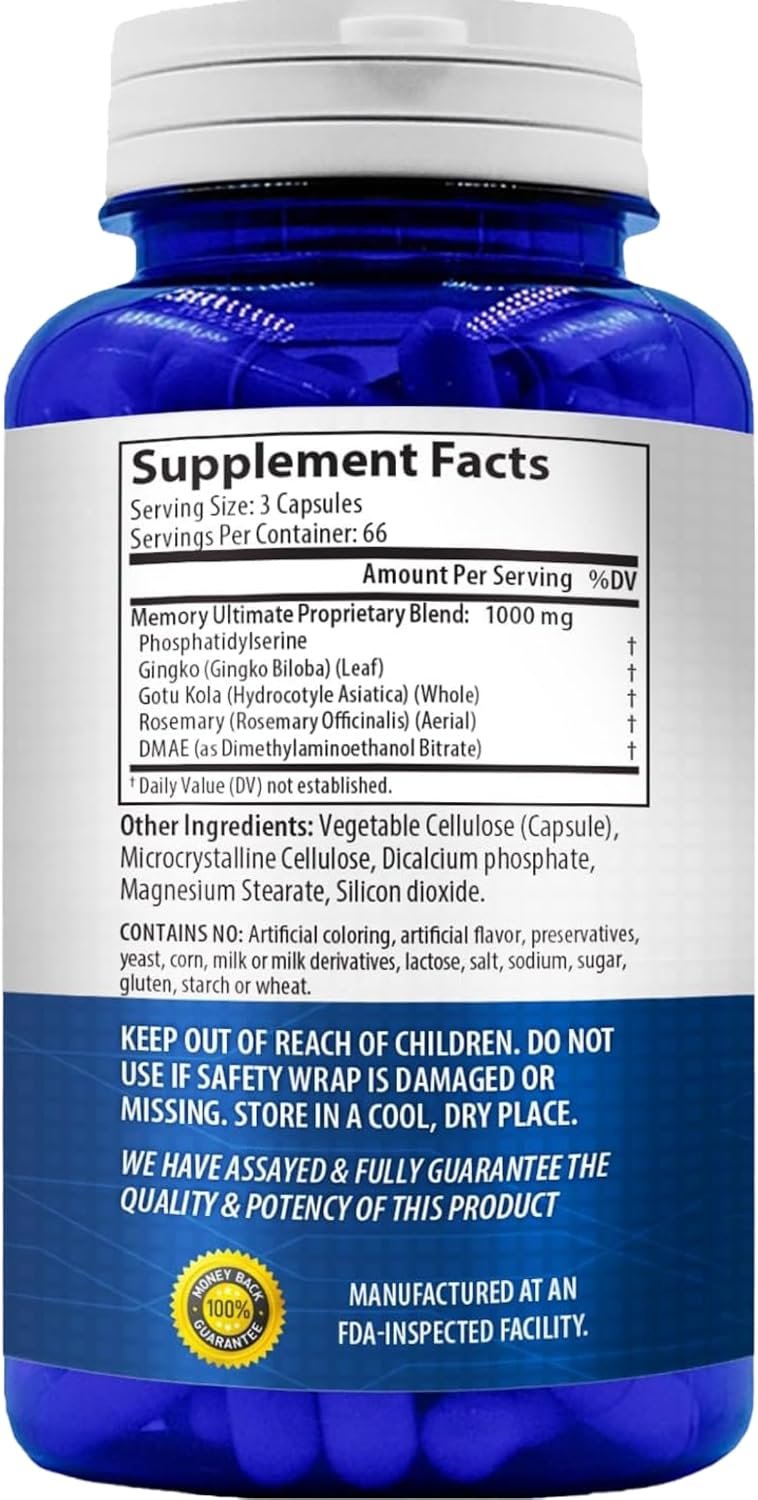
- The special ingredients listed are phosphatidylserine, Ginkgo Biloba, Gotu Kola, rosemary, and DMAE.
- The listing price is $25.99.

What is the Memory Supplement for Brain Support, and what does the listing claim?
The Memory Supplement for Brain Support is a NasaBeahava capsule supplement listed for adults, with capsules and five named special ingredients: phosphatidylserine, Ginkgo Biloba, Gotu Kola, rosemary, and DMAE. The Memory Supplement for Brain Support listing says its formula is intended to support memory and focus and describes phosphatidylserine as helping “rejuvenate your mind”; those are manufacturer claims, not verified effects. It also claims benefits involving concentration and learning skills.
Memory isn’t a single function: one source describes five interconnected systems—working, semantic, episodic, procedural, and perceptual memory. That context makes broad promises about “memory” difficult to interpret without evidence specifying what outcome was assessed. The available information doesn’t show that the Memory Supplement for Brain Support improves any of those systems. The source also cautions that supplements aren’t disease treatments and that results vary.

Which ingredients have the strongest evidence for memory or cognitive performance?
The available evidence doesn’t establish that any of the Memory Supplement for Brain Support’s five named ingredients improves memory or cognitive performance. The listing names phosphatidylserine, Ginkgo Biloba, Gotu Kola, rosemary, and DMAE, but the supplied material provides no ingredient-specific evidence for those substances in this product. That means there’s no supported basis here for ranking them or promising that one will improve focus, learning, or recall.
The separate evidence supplied concerns vitamins rather than the product’s listed blend: one source reports that supplementing with vitamins B6, B9, and B12 lowers homocysteine levels. That claim doesn’t establish a memory benefit for this product or its ingredients. Another source says further studies are needed to confirm potential memory benefits of vitamin D. Those limitations matter when you assess the Memory Supplement for Brain Support: the label’s ingredient list and the evidence presented here are different kinds of information. The available sources don’t support calling this formula effective for cognitive performance.
What vitamins or nutrients may help with studying, and when might food be enough?
The supplied sources list foods that contain vitamin D and vitamin C, but they don’t establish which nutrients improve studying. Oily fish, chanterelle mushrooms, dairy products, and egg yolk are listed as vitamin D sources. Citrus fruit, berries, kiwi fruit, and peppers are listed as good sources of vitamin C. These are food-source examples, not evidence that eating them—or taking a supplement—will improve study performance.
For the Memory Supplement for Brain Support, the available material doesn’t explain when a supplement would be preferable to food, identify a nutrient deficiency, or compare food with supplements for learning or concentration. It also doesn’t provide a study-related outcome for the product. So you can use the listed foods as examples of sources, but the evidence here can’t tell you whether they’re enough for your individual needs. The Memory Supplement for Brain Support shouldn’t be treated as a substitute for nutritional advice based on your circumstances, and the sources don’t support choosing it specifically to help with studying.
How should you compare the product’s ingredient doses, quality, and cost per serving?
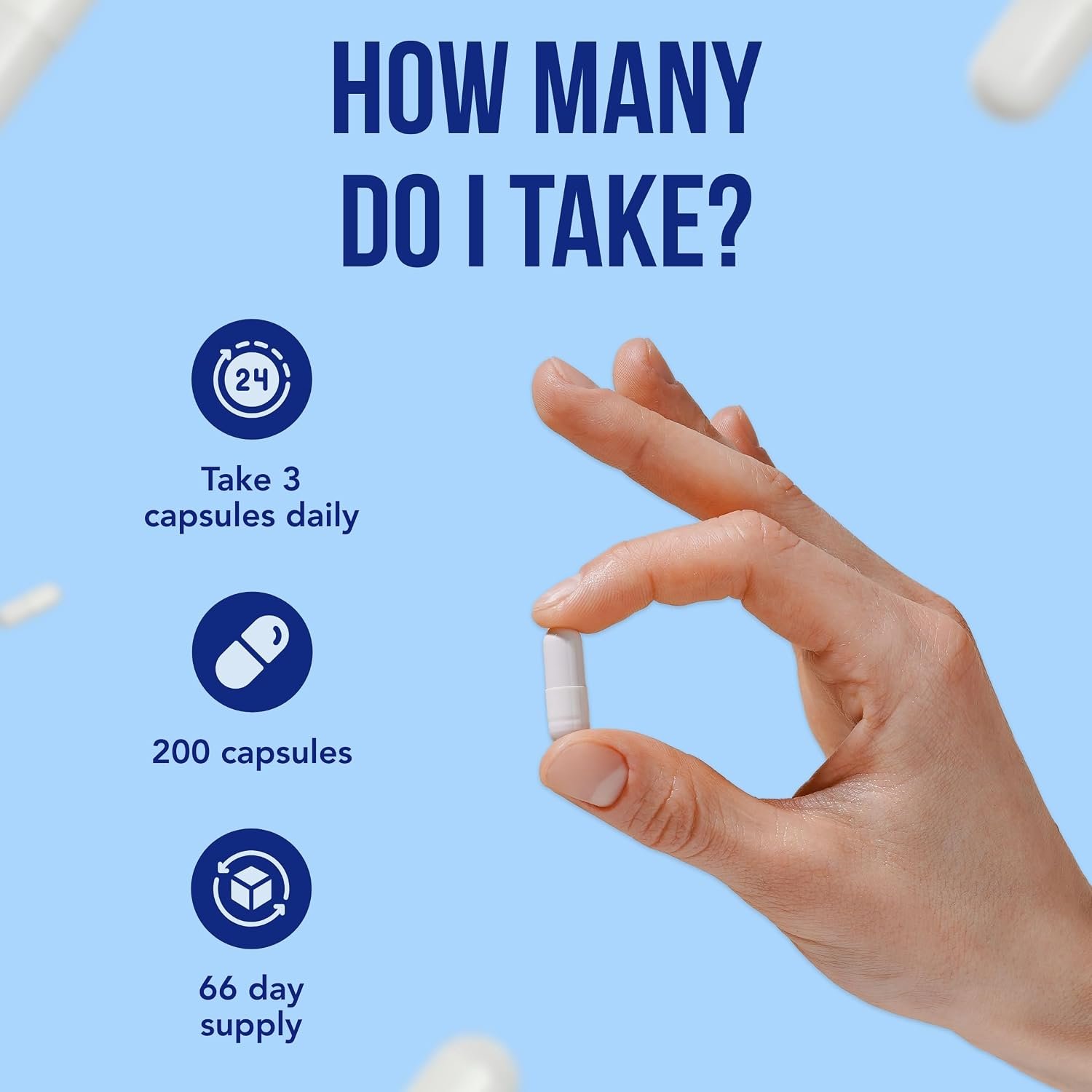
The Memory Supplement for Brain Support is listed at $25.99, with capsules in the bottle, but its individual ingredient doses and serving size aren’t supplied. That leaves cost per serving unavailable: the capsule count alone doesn’t tell you how many capsules make a serving. The source recommends comparing named ingredients and their individual doses rather than relying on hidden proprietary blends. A proprietary blend can conceal each ingredient’s amount, making it difficult to judge whether a dose is meaningful.
For the Memory Supplement for Brain Support, the available listing doesn’t provide the information needed to assess those dose details. Quality checks suggested by the source include looking for GMP-facility information and clear allergen labeling. A refund policy should state its duration and whether opened tubs qualify. The supplied listing details don’t verify GMP certification or provide a refund policy, so those points remain unconfirmed. The Memory Supplement for Brain Support’s listing claims shouldn’t be treated as proof of quality; the information needed to check these points isn’t provided.

What side effects, medication interactions, or health risks should you consider?
The supplied sources don’t identify specific side effects or medication interactions for the Memory Supplement for Brain Support’s listed ingredients. That absence isn’t confirmation that there are no risks; it means the information here doesn’t answer those safety questions. The available listing identifies the ingredients but doesn’t provide product-specific interaction guidance.
Before starting the Memory Supplement for Brain Support, speak with a doctor if you’re pregnant or nursing, under 18, taking medication, living with a diagnosed condition, or experiencing persistent or worsening symptoms. This is particularly important when your personal health circumstances or medicines could affect whether a supplement is appropriate. The supplied source also says that supplements aren’t treatments for disease and that results vary. The Memory Supplement for Brain Support should therefore not be relied on to treat a condition or replace medical care. If you have a specific safety concern, the supplied information doesn’t resolve it; discuss it with a doctor.
When should brain fog or memory problems get medical attention?
Significant memory loss, confusion, and mood changes are examples of persistent or worsening symptoms for which the source advises speaking with a doctor. The available material doesn’t define brain fog or diagnose its causes, so it can’t tell you what is behind a particular change in attention or memory. If symptoms are persistent or worsening, medical evaluation is a more appropriate next step than relying on the Memory Supplement for Brain Support.
The source also advises speaking with a doctor before starting a supplement when someone has persistent or worsening symptoms, takes medication, or has a diagnosed condition. That guidance applies even though the listing presents the Memory Supplement for Brain Support for brain-health support. The supplied information doesn’t show that the product can resolve brain fog or memory problems, and it cautions that supplements aren’t disease treatments. The Memory Supplement for Brain Support isn’t a substitute for finding out what may be causing concerning symptoms.
What can improve memory quickly, and how do sleep, exercise, and study techniques compare?
The supplied source identifies enough sleep, regular exercise, brain exercises, and a balanced diet as elements of memory support. It doesn’t compare those habits with the Memory Supplement for Brain Support or with specific study techniques, and it doesn’t establish a fast memory fix. A separate source cautions that high-dose caffeine may temporarily increase alertness but can disrupt deep and REM sleep involved in memory consolidation. Alertness, then, shouldn’t be confused with evidence of lasting memory improvement.
One source suggests allowing four to eight weeks of consistent use before judging cognitive changes. That is a suggested observation period, not proof that the Memory Supplement for Brain Support works or that you’ll notice a benefit within that time. The available material doesn’t provide a product trial or establish how its ingredients affect memory. If you’re weighing the Memory Supplement for Brain Support against sleep, exercise, or study methods, the sources here don’t offer a direct comparison or identify one quick approach as superior.
Pros and Cons

Pros
- The listing names five special ingredients: phosphatidylserine, Ginkgo Biloba, Gotu Kola, rosemary, and DMAE.
- The product is listed as an adult capsule supplement with capsules.
- The listing price is $25.99.
Cons
- The supplied information doesn’t provide individual ingredient doses or a serving size.
- The available sources provide no ingredient-specific evidence for the product’s phosphatidylserine, Ginkgo Biloba, Gotu Kola, rosemary, or DMAE.
- The supplied listing details don’t verify GMP certification or provide a refund policy.
Final Verdict
Key Takeaways
- Treat the product’s memory, focus, concentration, and learning statements as manufacturer claims rather than verified effects.
- Check whether a listing discloses individual ingredient amounts; the supplied information doesn’t give this product’s doses or serving size.
- Don’t assume the capsule count alone allows you to calculate cost per serving; serving size is unavailable.
- Speak with a doctor before starting a supplement in the situations listed by the source, including taking medication or having persistent or worsening symptoms.
Frequently Asked Questions
What is brain fog?
The available material doesn’t define brain fog or diagnose its causes. It does identify significant memory loss, confusion, and mood changes as examples of persistent or worsening symptoms for which the source advises speaking with a doctor.
What vitamins are good for studying?
The supplied sources list oily fish, chanterelle mushrooms, dairy products, and egg yolk as vitamin D sources, and citrus fruit, berries, kiwi fruit, and peppers as vitamin C sources. They don’t establish which vitamins improve studying.
What does Joe Rogan take for memory?
The supplied information doesn’t say what Joe Rogan takes for memory, so that’s unknown here.
What improves memory fast?
The available sources don’t establish a fast memory fix. They identify enough sleep, regular exercise, brain exercises, and a balanced diet as elements of memory support.