The Cosmid Blood Cell Counter Keys. (5 Key) may suit a buyer who only needs a product listing to identify, but the available details are too limited to establish whether it meets a particular use; it is listed at £29.86. The listing names model Cs233 and a five-key counter, but doesn’t explain the keys, performance, or operating procedure.
- The listed brand is Cosmid and the model number is Cs233.
- The listing price is £29.86.
- The listing gives a unit count of and a number of items of 1.
- The listed colors are Grey, Red, and Black.
- The listing says batteries are not required.

What is a Blood Cell Counter with five keys, and what are its five keys or functions?
The Cosmid Blood Cell Counter Keys. (5 Key), model Cs233, is listed as a five-key counter. The product information identifies the item by that name but doesn’t explain what each key does.
That leaves the basic question unanswered: the listing doesn’t specify the five keys or their functions. The product name alone doesn’t establish whether the keys correspond to cell categories, tally actions, or another purpose, so those functions can’t be stated as facts.
If you’re considering this Blood Cell Counter, treat “five keys” as a description in the listing, not as a complete explanation of its operation. The Blood Cell Counter listing also doesn’t provide instructions showing how the controls are used. Before relying on the Blood Cell Counter for a particular task, you’d need product information that identifies each control and its intended function; that information isn’t available in the supplied details.
How does a five-key counter differ from a manual hemocytometer or an automated hematology analyzer?
The supplied listing doesn’t establish how the Cosmid Blood Cell Counter compares with a manual hemocytometer or an automated hematology analyzer. It gives no method, automation details, or comparative performance information for this counter.
That means the available evidence can’t support a claim that the Blood Cell Counter works like either alternative, or that it offers a particular advantage over them. The listing also doesn’t describe how the device handles a sample or produces a result.
If your choice depends on method or automation, the available product details leave that comparison unresolved. They don’t provide performance figures or a comparison with other devices, either. The name “five-key” identifies the listed product, but it doesn’t explain how its operation differs from a manual hemocytometer or an automated hematology analyzer. You’d need specifications addressing method and performance before making that comparison; the supplied listing doesn’t provide them.
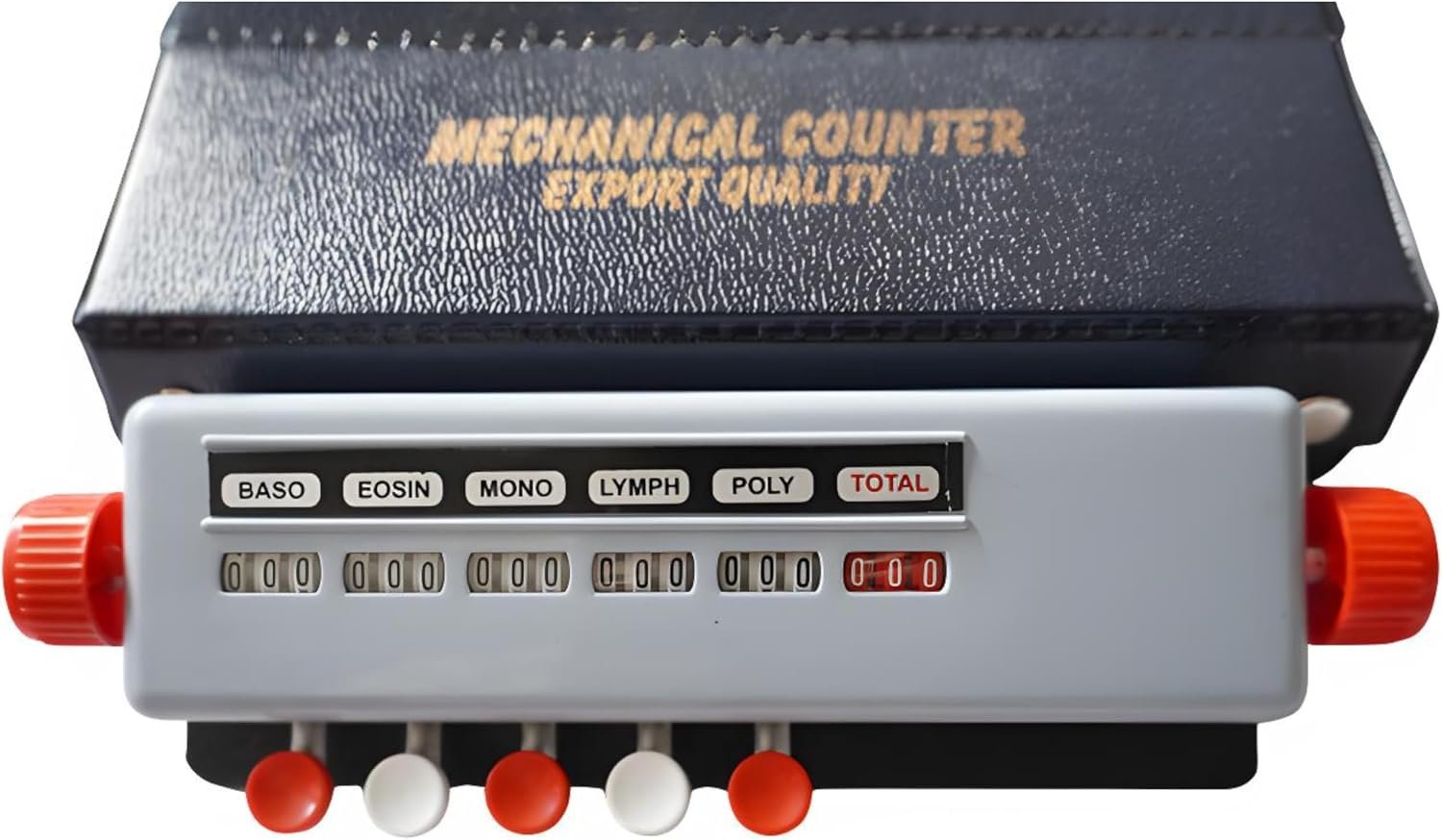
Which blood cell types and measurements can a five-key counter identify?
The listing doesn’t identify which cell types or measurements the Cosmid model Cs233 can count. It also doesn’t specify output parameters, so the available information can’t establish what results the device provides.
In particular, the supplied details don’t support attributing differential counts or other clinical outputs to this model. The product name and five-key description don’t fill that gap: the listing doesn’t define the keys or connect them to particular cell types or measurements.
For the Blood Cell Counter, the types of cells counted and the measurements reported remain unknown from the available listing. The same is true of the Blood Cell Counter’s output format and parameters. If you need a specific result, such as a named cell count, check for a specification that explicitly identifies it rather than assuming the device provides it. The listing supplies no such specification for the Cs233.
What specifications should I check when choosing a five-key blood cell counter?
The supplied listing identifies the Cosmid brand, model Cs233, unit count, number of items, and listed colors. It reports a unit count of 5, one item, and the colors Grey, Red, and Black.
For a Blood Cell Counter, key performance details remain unavailable: the listing gives no counting range, accuracy, sample volume, or other performance specifications. It also doesn’t describe the counting method or the device’s output.
Those omissions matter if you’re choosing on the basis of a required range or accuracy, because the supplied information can’t show whether this model meets either requirement. The Blood Cell Counter listing provides identifying and item details, not enough technical information to assess performance. Before making a decision, seek product specifications that address the particular requirements you need; they aren’t stated in the available listing.
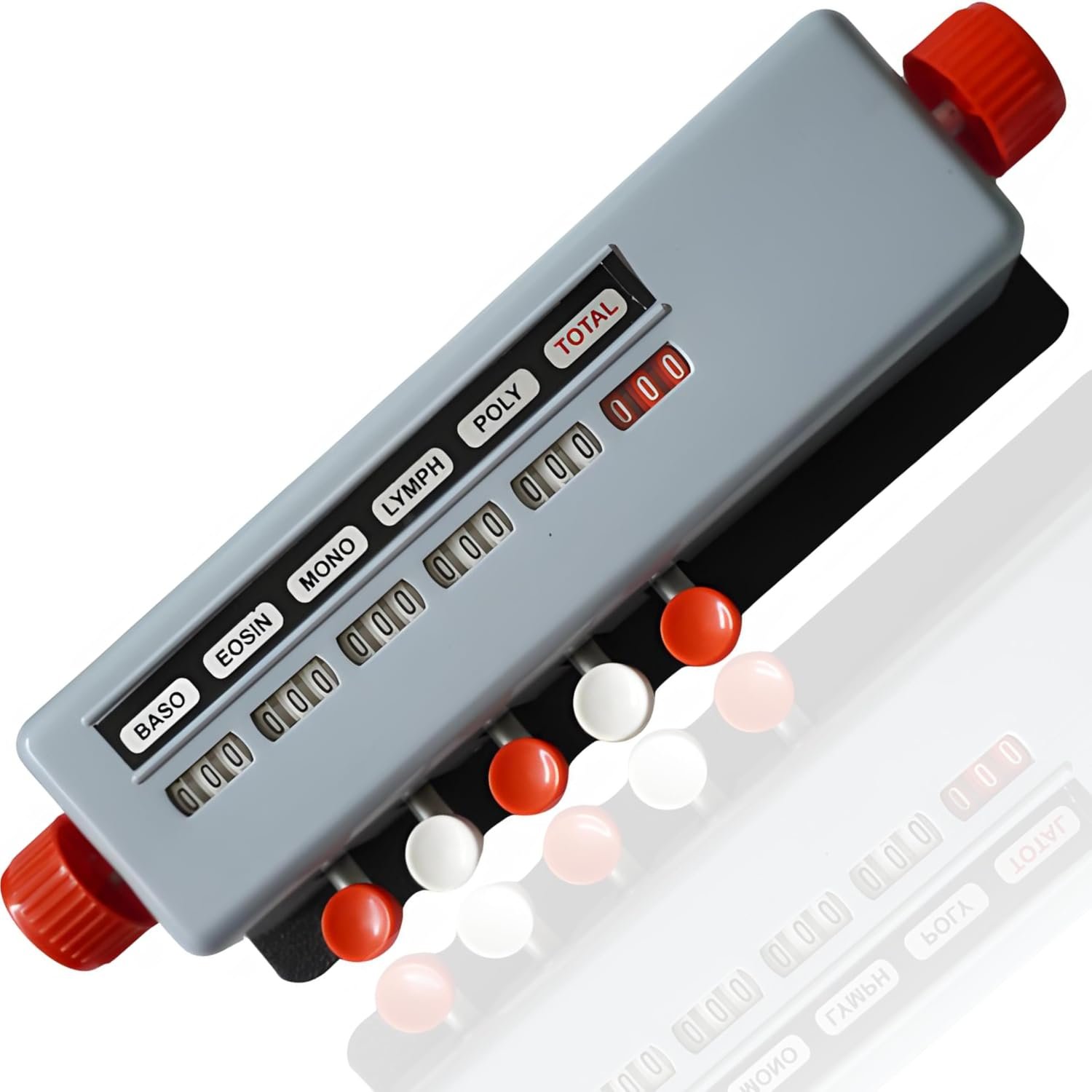

How much does a five-key blood cell counter cost, and what consumables or maintenance does it require?
The Cosmid Blood Cell Counter Keys. (5 Key) is listed at £29.86. The listing says batteries are not required.
Beyond that, the available details don’t specify consumables, cleaning procedures, calibration, or maintenance requirements. The battery statement shouldn’t be taken to establish whether the Blood Cell Counter needs any other supplies or upkeep; the listing doesn’t address those questions.
If you’re comparing the listed price with ongoing ownership needs, there isn’t enough supplied information to calculate or describe those needs. The Blood Cell Counter listing doesn’t identify replacement parts, cleaning materials, calibration steps, or a maintenance schedule. Confirm those details with complete product documentation before relying on an assumption about what the device requires. The listing price and battery statement are the available facts, while other operating costs and care requirements remain unspecified.
How do you prepare a blood sample and use a five-key blood cell counter correctly?
The available listing provides no sample-preparation steps or operating instructions for the Cosmid five-key counter. It doesn’t specify how to prepare a blood sample, operate the controls, or obtain a result.
That means the correct procedure for this Blood Cell Counter can’t be established from the supplied product details. Guessing at a sample procedure or the purpose of a key would go beyond what the listing supports, which doesn’t describe either.
The Blood Cell Counter information also doesn’t supply a sequence of operating steps to follow. Before use, you’d need instructions that apply to this model and explain its sample handling and controls; those instructions aren’t included in the available listing. The listing identifies a five-key product, but that description doesn’t tell you how to prepare or use it. Without model-specific directions in the supplied information, a correct procedure remains unknown rather than something that can responsibly be filled in by inference.

What errors, limitations, or safety risks can occur when using a five-key blood cell counter?
The listing doesn’t describe error handling, accuracy limits, or safety instructions for the Cosmid counter. As a result, the available details don’t establish what errors may occur or how the device responds to them.
Those gaps are unresolved, not evidence of a particular device-specific fault or safety risk. The Blood Cell Counter listing provides no accuracy limits or instructions that would allow those matters to be assessed. It reports the product as in stock, but availability doesn’t supply missing technical or safety information.
The Blood Cell Counter’s error procedures and safety guidance remain unknown in the supplied details. If you need to assess those points before purchase or use, the listing alone doesn’t provide the necessary information. Don’t infer a risk, safeguard, or error response from the five-key description; the listing doesn’t explain the controls or their behavior.
How should results from a five-key blood cell counter be interpreted or confirmed with laboratory testing?
The supplied product information doesn’t describe how to interpret results from the Cosmid five-key counter. It also gives no clinical validation information or procedure for confirming results with laboratory testing.
For this Blood Cell Counter, the available evidence therefore doesn’t establish whether results should be confirmed, or how any confirmation should be carried out. The listing doesn’t identify output parameters either, leaving the meaning of any result unspecified.
The Blood Cell Counter’s result interpretation and confirmation process remain unknown from the supplied details. You can’t use the product name or five-key description as evidence of a particular clinical meaning or validation process; neither is explained in the listing. If result interpretation or confirmation is essential to your decision, seek model-specific documentation that addresses those questions. The available information doesn’t provide it.

Pros and Cons
Pros
- The listing gives a price of £29.86.
- The listing states that batteries are not required.
Cons
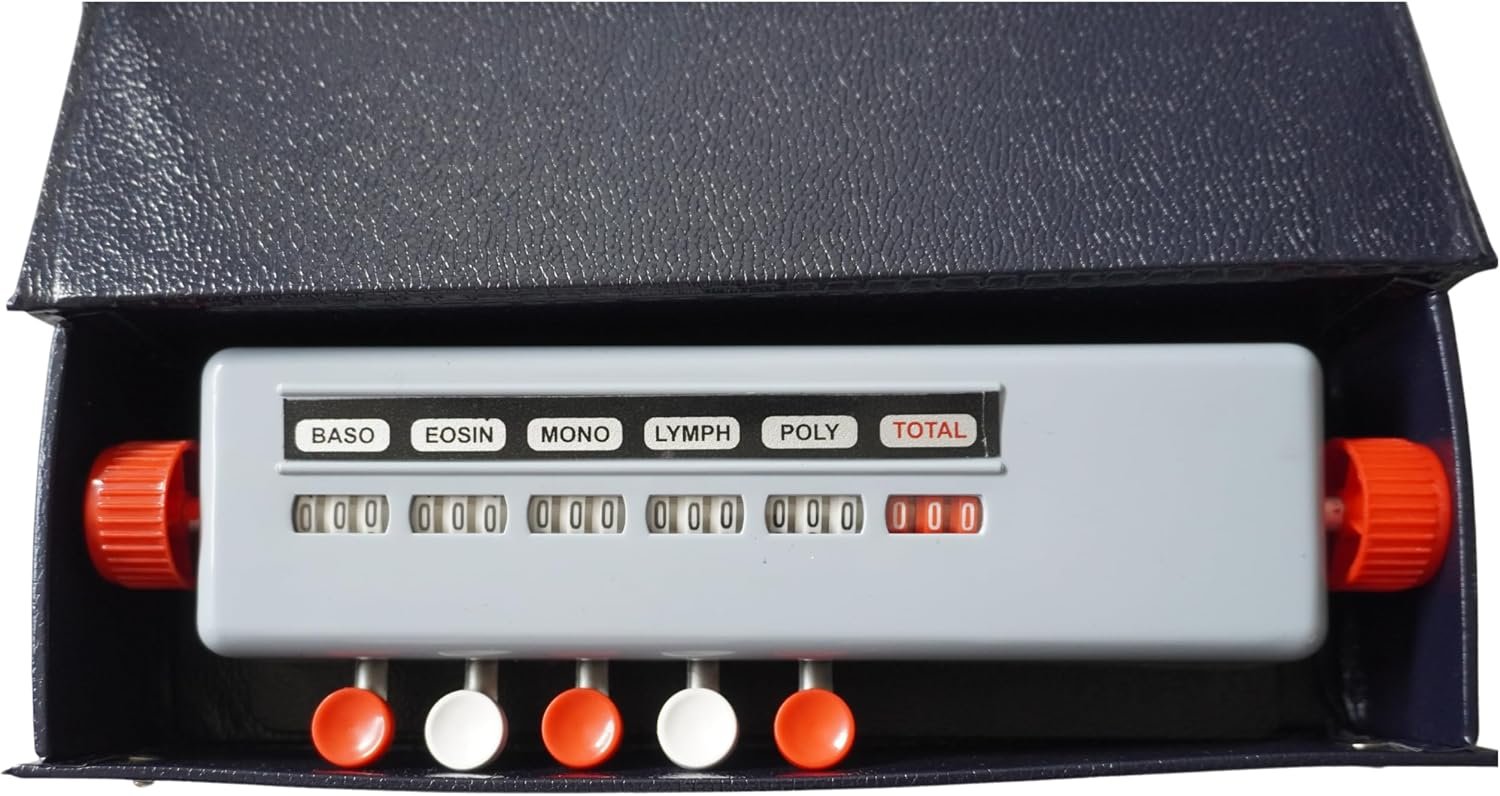
- The listing doesn’t explain the five keys or their functions.
- Counting range, accuracy, sample volume, and other performance specifications aren’t provided.
- Sample preparation, operating, safety, maintenance, and result-confirmation information is not specified.
Final Verdict
Key Takeaways
- Treat the five-key description as a product label; the listing doesn’t explain the keys’ functions.
- Check for model-specific details on counting range, accuracy, sample volume, and outputs; these aren’t provided in the listing.
- The product is listed at £29.86, and the listing says batteries aren’t required.
- Sample preparation, operation, safety, maintenance, and result confirmation procedures are not specified in the supplied information.
Frequently Asked Questions
What are the five keys on this counter used for?
The listing doesn’t describe the keys or their functions.
Does the listing provide accuracy or counting-range specifications?
No; the available listing gives no accuracy or counting-range specification.
Does the counter require batteries?
The listing says batteries are not required.
What is the listed price?
The product is listed at £29.86.

 review)