Berberine is a plant-derived dietary supplement with preliminary evidence of blood-sugar effects, but study quality is a concern and it isn’t an FDA-approved medicine. The review titled Berberine and Blood Sugar: What Studies Show and Who Should Be Careful finds that a meta-analysis of trials involving 1,068 participants reported lower fasting glucose and HbA1c, while noting generally low methodological quality. Discuss it with a healthcare professional before use, especially if you take glucose-lowering medicine.
- Berberine is a bioactive alkaloid extracted from plants including goldenseal, barberry, and Oregon grape.
- A meta-analysis included randomized trials and 1,068 participants and noted generally low methodological quality.
- Most published trials used mg two to three times daily, totaling 900–1,500 mg per day.
- Berberine can add to the glucose-lowering effects of several medicines, creating a risk of hypoglycemia.
What is berberine, and how might it affect blood glucose?
Berberine is a plant-derived alkaloid extracted from plants including goldenseal, barberry, and Oregon grape. It’s marketed as a dietary supplement, not an FDA-approved medicine. A common marketing explanation for its proposed effects is activation of AMP-activated protein kinase, or AMPK, an enzyme involved in energy balance. A separate source also says berberine activates AMPK.
The phrase Berberine and Blood Sugar: What Studies Show and Who Should Be Careful captures an important distinction: a proposed mechanism isn’t the same as proof of a reliable treatment effect. The available claims describe AMPK activation but don’t establish that this mechanism makes berberine a substitute for prescribed care. The phrase Berberine and Blood Sugar: What Studies Show and Who Should Be Careful also points to the need to consider the quality of the clinical evidence. Keep that distinction in mind when you read Berberine and Blood Sugar: What Studies Show and Who Should Be Careful: the supplement’s proposed biological action and its demonstrated clinical benefit are separate questions.
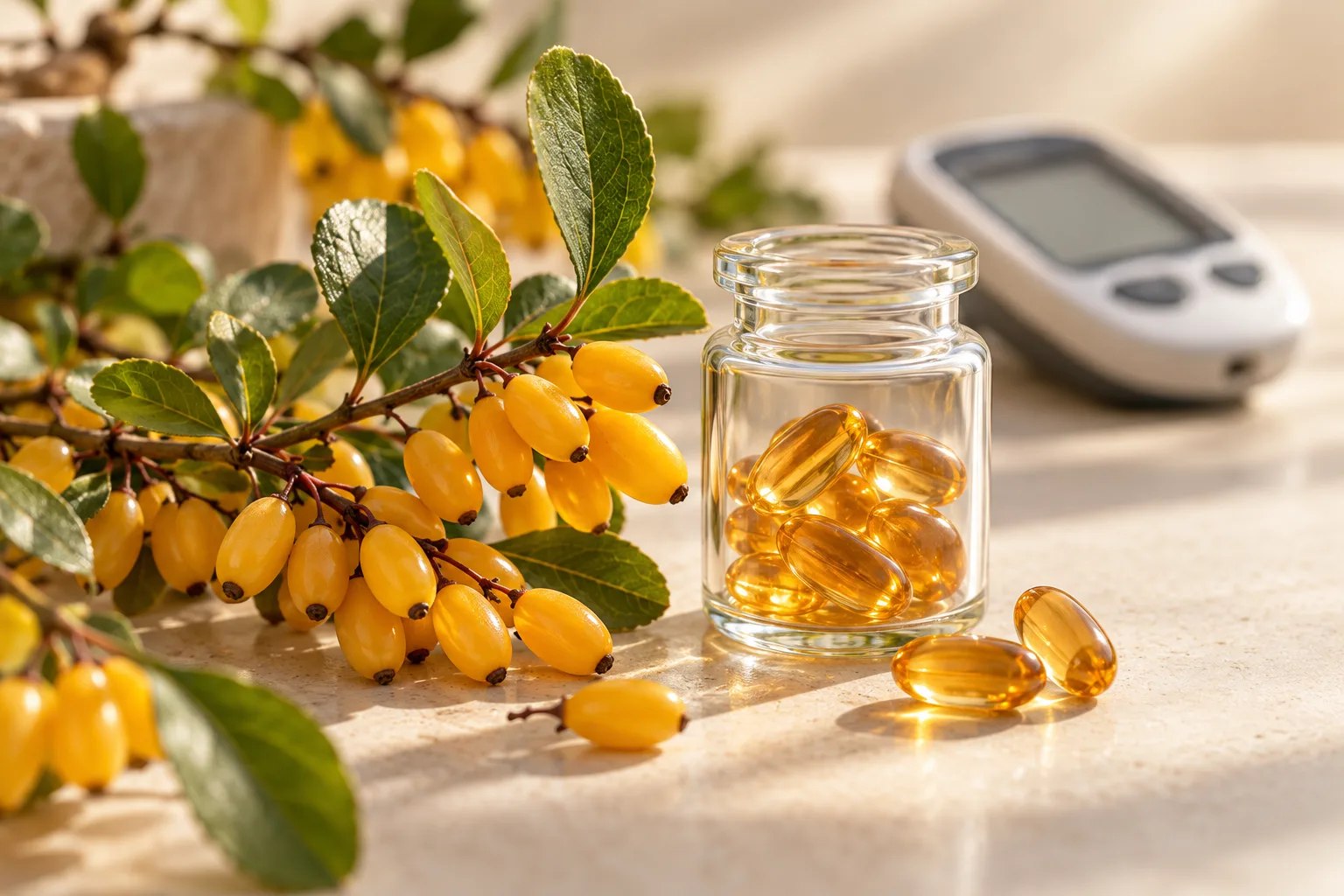
Berberine and Blood Sugar: What Studies Show and Who Should Be Careful
Clinical studies report possible reductions in blood-sugar measures with berberine, but the evidence has important quality limitations. A meta-analysis included randomized trials and 1,068 participants, while noting that the included studies generally had low methodological quality. Meta-analytic literature reports typical reductions of about 0.6–0.9 mmol/L in fasting glucose and 0.5–0.7 percentage points in HbA1c compared with placebo or lifestyle alone.
Some preliminary clinical studies show promise regarding metabolic markers. However, another source characterizes most subsequent studies as poor quality. The phrase Berberine and Blood Sugar: What Studies Show and Who Should Be Careful is a useful reminder not to treat a reported average as a guarantee for an individual. Berberine and Blood Sugar: What Studies Show and Who Should Be Careful also highlights why study limitations matter when interpreting results. Read Berberine and Blood Sugar: What Studies Show and Who Should Be Careful alongside the caveat that the available evidence is preliminary and methodologically limited; it doesn’t establish an individual outcome.
How does berberine compare with metformin for lowering blood glucose?
Pooled data report larger typical HbA1c reductions for metformin than for berberine: about 1.0–1.5 percentage points for metformin compared with about 0.5–0.7 points for berberine. A three-month pilot trial randomized adults with newly diagnosed type diabetes to mg of berberine three times daily or mg of metformin three times daily. The berberine group’s HbA1c fell from 9.5% to 7.5%.
A source describes that three-month trial as finding similar effects for berberine and metformin. That single trial doesn’t erase the difference reported in pooled HbA1c reductions, nor does it establish that the treatments are interchangeable. Berberine and Blood Sugar: What Studies Show and Who Should Be Careful asks you to weigh both the individual trial and the pooled comparison. Berberine and Blood Sugar: What Studies Show and Who Should Be Careful also makes clear why one result shouldn’t stand in for the wider evidence. Berberine and Blood Sugar: What Studies Show and Who Should Be Careful is not a reason to replace a prescribed medicine without professional guidance.
What dose and form have studies used, and how long might effects take?
Most published berberine trials used mg two to three times daily, totaling 900–1,500 mg per day, with or shortly before meals. Most trials lasted 8–12 weeks, and measurable effects on fasting blood glucose and lipids generally emerge within four to eight weeks. Capsules or tablets are common forms, often standardized to mg.
A source advises starting with a lower dose to minimize digestive upset. These study patterns describe what was used in trials; they don’t establish a suitable dose for every person. Berberine and Blood Sugar: What Studies Show and Who Should Be Careful means considering both the studied regimen and your own medicines and circumstances. Berberine and Blood Sugar: What Studies Show and Who Should Be Careful also cautions against assuming an immediate effect, since the reported window for measurable changes is several weeks. Berberine and Blood Sugar: What Studies Show and Who Should Be Careful is a reminder to discuss dosing with a healthcare professional rather than treating a trial schedule as personal medical advice.
What side effects and medication interactions can berberine cause?
Reported gastrointestinal effects of berberine include cramping, diarrhea, and constipation, especially when starting a high dose. Other reported effects include gas, nausea, and a bitter aftertaste. Berberine can add to the glucose-lowering effects of medicines such as metformin, sulfonylureas, insulin, and SGLT2 inhibitors, creating a risk of hypoglycemia.
A source advises consulting a physician before using berberine with blood-sugar-lowering medicines or blood thinners because of possible interactions. A separate source recommends talking with a healthcare professional before starting a supplement because of possible medication interactions, especially with blood-sugar-regulating medicines. The phrase Berberine and Blood Sugar: What Studies Show and Who Should Be Careful matters here because interactions may change how carefully glucose needs to be monitored. Berberine and Blood Sugar: What Studies Show and Who Should Be Careful also highlights that digestive effects are reported, not inevitable for every user. Berberine and Blood Sugar: What Studies Show and Who Should Be Careful is a reason to discuss your medication list before starting.
Who should avoid berberine or speak with a healthcare professional first?
Berberine is described as contraindicated during breastfeeding and as something not to use during pregnancy or when trying to conceive without medical supervision. The available claims also advise consulting a healthcare professional before starting berberine because it can interact with some medicines, especially blood-sugar-regulating medicines.
The claims provided here don’t specify whether people with liver or kidney conditions should avoid berberine or take particular precautions. That guidance is unknown from the available information, so don’t infer that use is safe or unsafe for those conditions based on this evidence. Berberine and Blood Sugar: What Studies Show and Who Should Be Careful includes special circumstances as well as study results. Berberine and Blood Sugar: What Studies Show and Who Should Be Careful is especially relevant when pregnancy, trying to conceive, or breastfeeding is involved. Berberine and Blood Sugar: What Studies Show and Who Should Be Careful also reinforces the need to raise personal health conditions and medicines with a healthcare professional before use.
What should you monitor or discuss before adding berberine to a blood sugar plan?
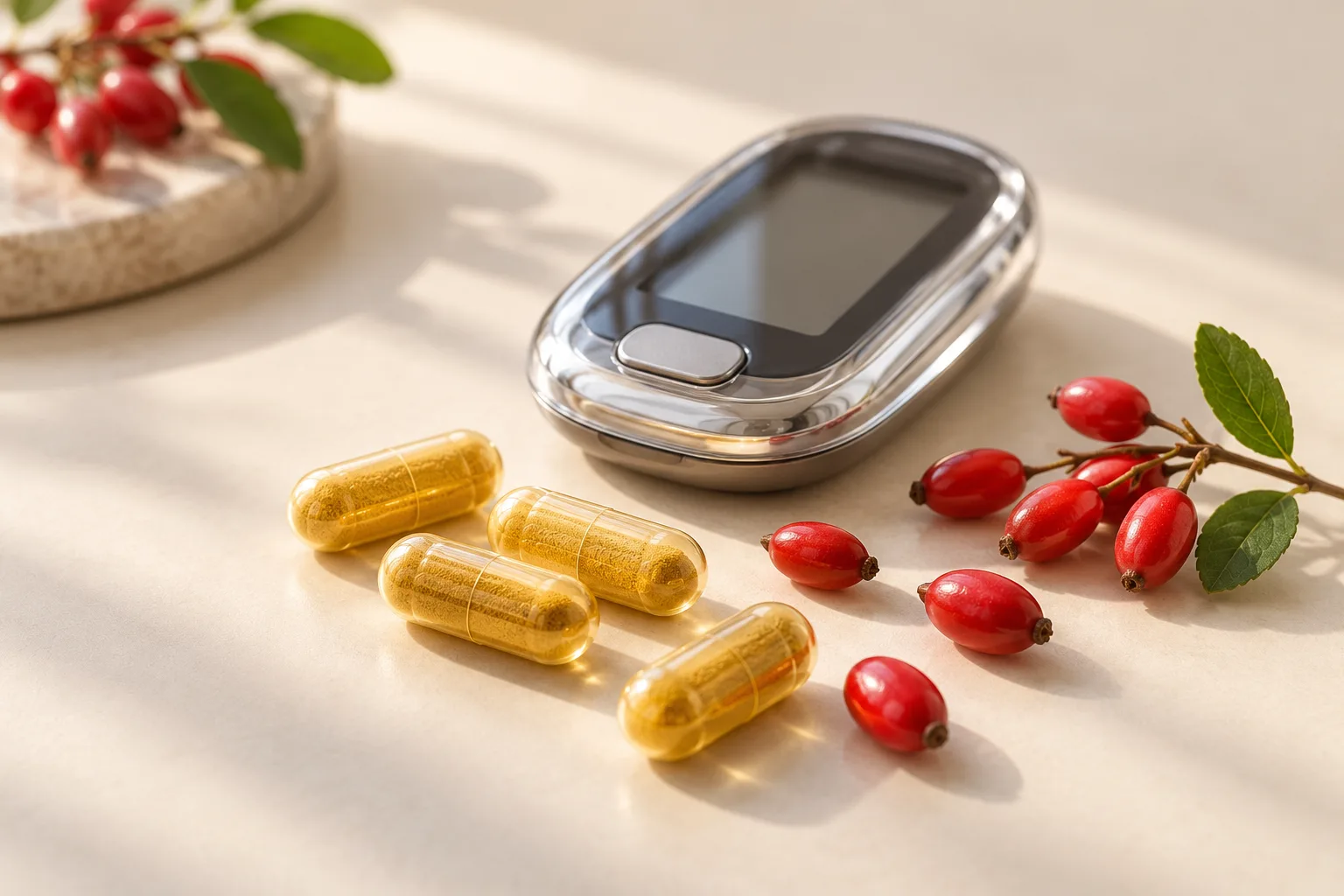
If you use a glucose monitor, you can log readings to assess whether berberine makes a measurable difference. Discuss possible medication interactions with a healthcare professional before starting berberine. This is particularly relevant because berberine can add to the glucose-lowering effects of some medicines and create a risk of hypoglycemia.
Keep supplements in their proper role: a source says they should be an add-on to a balanced diet and regular movement, not a replacement. Berberine and Blood Sugar: What Studies Show and Who Should Be Careful points toward tracking readings rather than assuming the supplement works. Berberine and Blood Sugar: What Studies Show and Who Should Be Careful also supports a practical conversation about your treatment plan and possible interactions before adding anything. Berberine and Blood Sugar: What Studies Show and Who Should Be Careful doesn’t supply a personalized monitoring schedule, so agree on what to track with your healthcare professional.
| Study or report | Reported finding |
|---|---|
| 2008 trial | HbA1c fell from 9.5% to 7.5%. |
| Meta-analytic literature | About 0.6–0.9 mmol/L lower fasting glucose and 0.5–0.7 percentage points lower… |
| Study cited by the source | An average blood sugar reduction of 34% among participants taking 1,500 mg of… |
| Clinical trial cited by the source | Berberine lowered fasting blood sugar by 20% in participants with type 2… |
Key Takeaways
- Treat reported study results as preliminary because the meta-analysis noted generally low methodological quality.
- Discuss berberine with a healthcare professional before combining it with medicines, especially glucose-lowering drugs.
- If you use a glucose monitor, log readings to assess whether berberine makes a measurable difference.
- Keep supplements as an add-on to a balanced diet and regular movement, not a replacement.
Frequently Asked Questions
What have clinical studies found about berberine and blood sugar?
Meta-analytic literature reports about 0.6–0.9 mmol/L lower fasting glucose and 0.5–0.7 percentage points lower HbA1c versus placebo or lifestyle alone, but a meta-analysis noted generally low methodological quality.
How does berberine compare with metformin?
Pooled data report typical HbA1c reductions of about 1.0–1.5 percentage points for metformin and 0.5–0.7 points for berberine.
What dose and form have studies used?
Most published trials used mg two to three times daily, totaling 900–1,500 mg per day; capsules or tablets are common forms.
Who should speak with a healthcare professional before taking berberine?
People taking medicines, especially blood-sugar-regulating medicines, should consult a healthcare professional; berberine is described as contraindicated during breastfeeding and not for use in pregnancy or when trying to conceive without medical supervision.
