Stevia, monk fruit, erythritol, and sucralose are among the sweeteners reported to have little or no effect on blood glucose, while honey contains sugar and can raise it. The Best and Worst Sweeteners for Blood Sugar depend on the product and serving: GI values include for erythritol and for honey, but GI alone doesn’t show the carbohydrate in your usual portion.
- GI below is classified as low, to as medium, and above as high.
- The listed GI values are for erythritol, for xylitol, and for sorbitol.
- Honey has a listed GI of and contains sugar that can raise blood glucose.
- Stevia is reported to be to times sweeter than sugar.
- Excessive polyol consumption above g/day can cause diarrhea or bloating or aggravate irritable bowel syndrome.
How do glycemic index and glycemic load predict a sweetener’s effect on blood glucose?
Glycemic index (GI) estimates a carbohydrate food’s relative ability to raise blood glucose, using a scale from to 100. A GI below is low, to is medium, and above is high. For the Best and Worst Sweeteners for Blood Sugar, those categories offer a comparison of the relative glucose response to carbohydrate foods, not a prediction of every person’s blood glucose levels.
Glycemic load (GL) accounts for both the GI and the amount of available carbohydrate in the portion you consume. The commonly used calculation is GI multiplied by grams of available carbohydrate per serving, divided by 100. GI alone doesn’t tell you how much carbohydrate is in your usual serving. That distinction matters when comparing the Best and Worst Sweeteners for Blood Sugar: a GI value can’t stand in for a serving’s carbohydrate count. Use GI and GL together when the necessary portion information is available; for the Best and Worst Sweeteners for Blood Sugar, the available claims don’t provide carbohydrate amounts per serving.
Which are the Best and Worst Sweeteners for Blood Sugar?
Stevia, monk fruit, erythritol, and sucralose are reported to have little or no blood-glucose effect, while honey contains sugar and can raise blood glucose. The Best and Worst Sweeteners for Blood Sugar aren’t identical across products: nonnutritive sweeteners provide little or no calories or carbohydrates, but a product’s ingredients still matter. Some sweetener products combine natural sweeteners with sugar-based fillers or additives that can affect blood sugar.
Xylitol has a lower GI than sugar and is reported not to cause as dramatic a blood-sugar spike; sugar alcohols as a group can still raise blood glucose, depending on the type. Erythritol may not increase blood glucose, and sugar alcohols generally raise it less than regular sugar. Stevia, monk fruit, and erythritol are identified as options for minimizing blood-sugar impact, not as guarantees for every product or response. For the Best and Worst Sweeteners for Blood Sugar, check the specific product rather than relying only on a sweetener category.
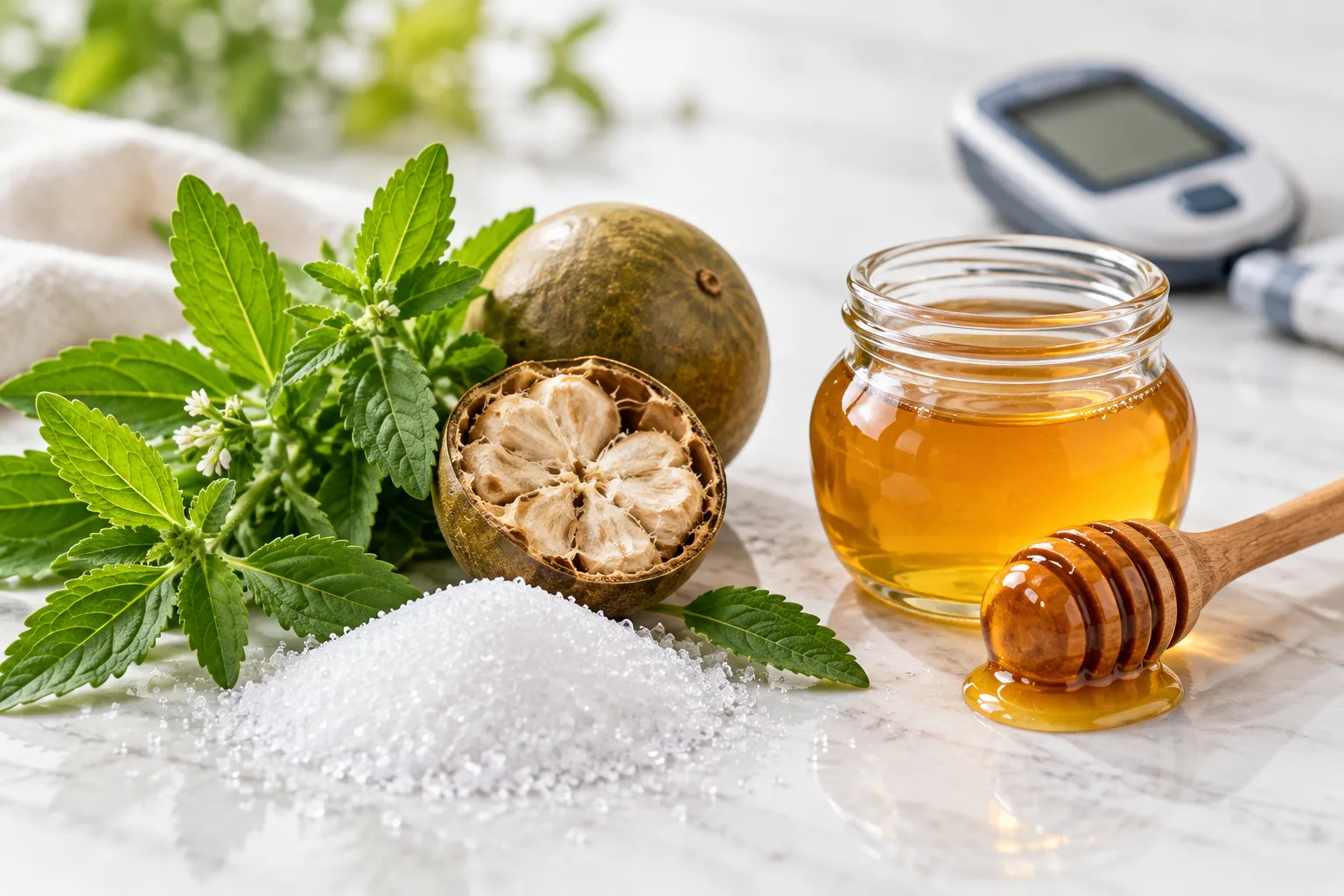
What are the glycemic indices and carbohydrate amounts per serving of common sugars and sugar substitutes?
The listed GI values are for sucrose, for fructose, for xylitol, for sorbitol, and for erythritol. Honey is listed at and agave syrup at 15. The Best and Worst Sweeteners for Blood Sugar can be compared by these reported GI values, but those values don’t tell you how many carbohydrates are in a serving.
The available claims don’t give carbohydrate amounts per serving for sucrose, fructose, xylitol, sorbitol, erythritol, honey, or agave syrup. That means a per-serving carbohydrate comparison can’t be made from this evidence. Erythritol is also listed as having 0.2 kcal/g. Coconut sugar has a similar calorie and carbohydrate content to regular sugar. For the Best and Worst Sweeteners for Blood Sugar, pair GI information with the nutrition label and serving size when you compare products. The Best and Worst Sweeteners for Blood Sugar can’t be determined from GI alone, especially when portion carbohydrate information is missing.
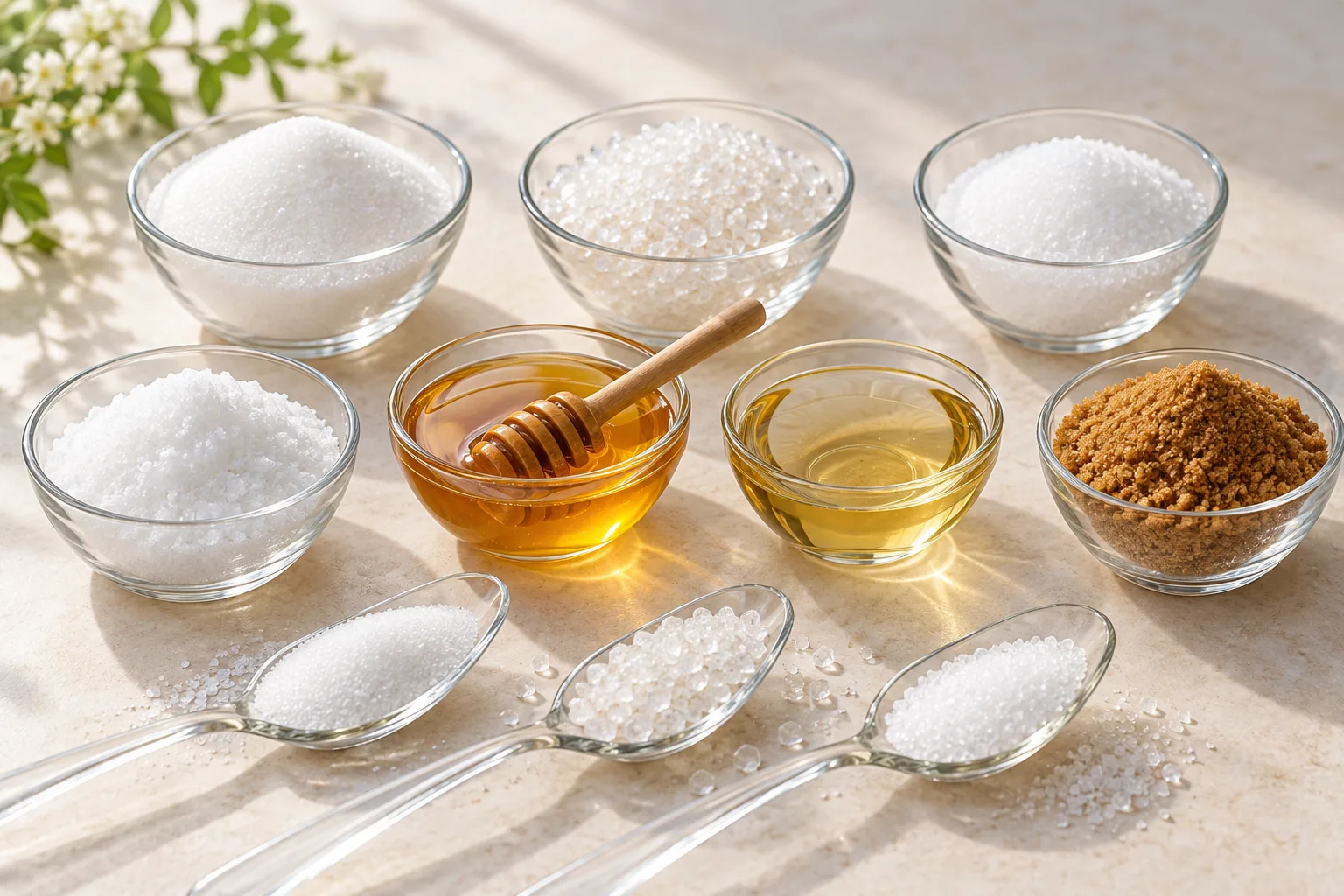
How can you compare sweetener labels and serving sizes to choose a product with fewer blood-sugar-raising carbohydrates?
Compare sweetener products using the same serving basis: nutrition facts are given per serving, so check both serving size and servings per container. Serving size reflects what people typically consume at a sitting; it isn’t a recommended portion. For the Best and Worst Sweeteners for Blood Sugar, compare total carbohydrates and the label’s breakdown, including total sugars and added sugars.
Read the ingredient list as well as the nutrition panel. Some products mix natural sweeteners with additives or sugar-based fillers that can affect blood sugar, so check for those ingredients. Added sugars can appear under names such as syrup, fructose, or sweetener. A “sugar-free” claim doesn’t mean a product containing sugar alcohols is free of carbohydrates or calories. For the Best and Worst Sweeteners for Blood Sugar, compare the actual product, its serving size, and its carbohydrate information rather than relying on a front-label description. The Best and Worst Sweeteners for Blood Sugar may include blends whose ingredients differ, so inspect the label each time.
Can nonnutritive sweeteners such as sucralose or aspartame trigger an insulin response even when they do not raise blood glucose?
A review describes sweetener metabolism as different from sugar and says sweeteners elicit little or no insulin secretion. It also states that sucralose doesn’t alter blood glucose and passes through the digestive tract unchanged. These statements distinguish blood-glucose effects from insulin response; they don’t establish the response for every sweetener or person.
The available claims don’t provide a separate finding about aspartame, so they can’t answer whether aspartame triggers an insulin response. For the Best and Worst Sweeteners for Blood Sugar, don’t treat the sucralose statement as evidence about aspartame. Erythritol is separately reported not to significantly raise blood sugar or insulin levels. That finding is specific to erythritol. The Best and Worst Sweeteners for Blood Sugar require attention to which sweetener a claim addresses, and the phrase “little or no” insulin secretion should not be read as a specific result for every product. The Best and Worst Sweeteners for Blood Sugar can’t be ranked for insulin response from the evidence available for aspartame.
What side effects or health trade-offs can result from using sugar alcohols or artificial sweeteners regularly?
Sugar alcohols can cause gas, bloating, and stomach aches, particularly when eaten in large amounts. Excessive polyol consumption above g/day can cause diarrhea or bloating or aggravate irritable bowel syndrome. Large amounts of erythritol can also cause digestive issues. These reports make dose and digestive tolerance relevant when considering the Best and Worst Sweeteners for Blood Sugar.
Other reported symptoms include diarrhea and upset stomach from sugar alcohols. Sugar alcohols may cause cavities less than regular sugar, and xylitol may help prevent cavities. That potential cavity-related trade-off doesn’t remove the possibility of digestive effects. The available claims don’t establish long-term safety conclusions or regulatory acceptable daily intake limits, so no such comparison can be made here. When weighing the Best and Worst Sweeteners for Blood Sugar, consider both blood-glucose information and the reported digestive effects. The Best and Worst Sweeteners for Blood Sugar also can’t be ranked for regular use on the basis of long-term safety from these claims.
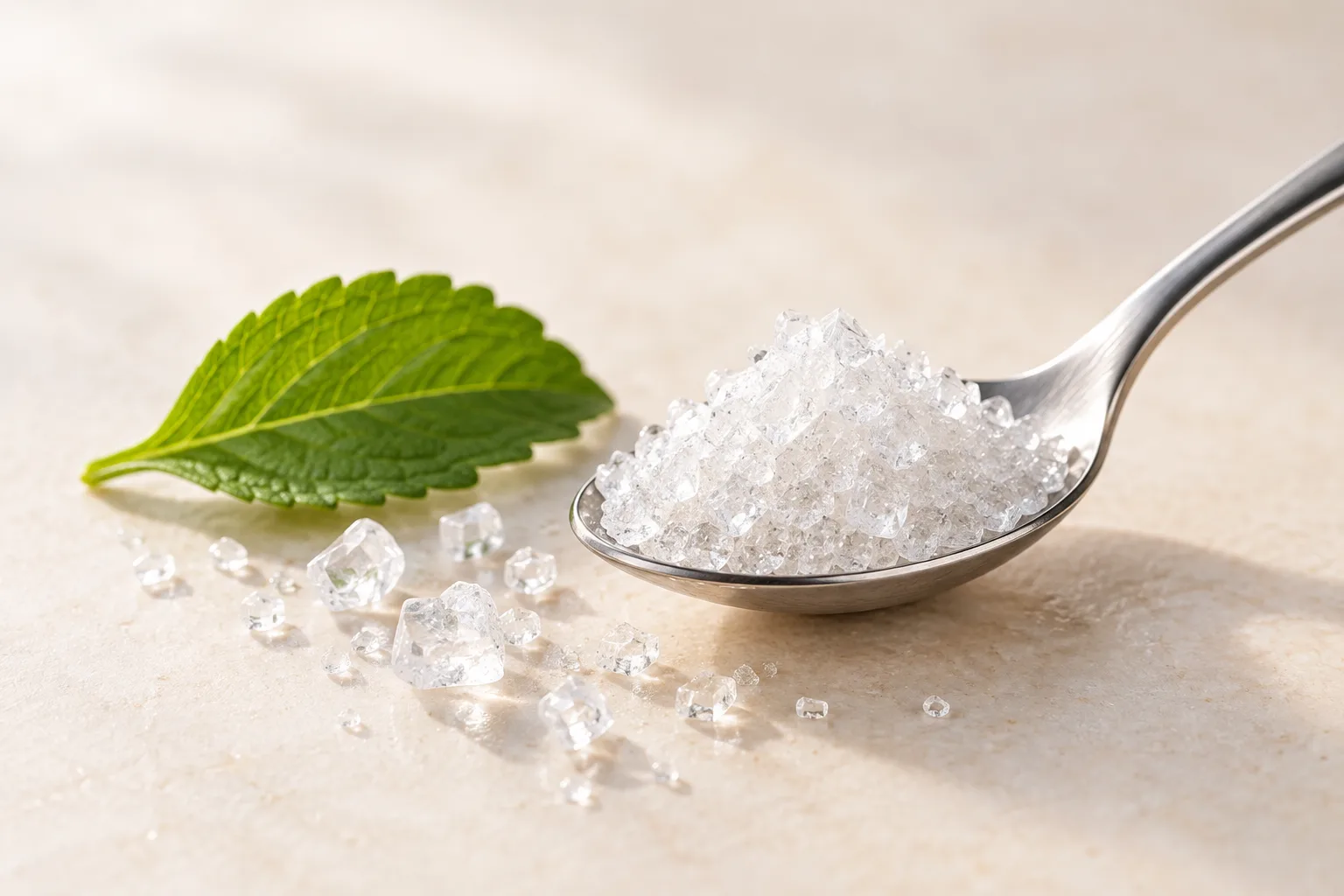
How do the cost per serving and sweetening strength of low-glycemic sweeteners compare with regular sugar?
Stevia is reported to be to times sweeter than sugar, while monk fruit is to times sweeter. These figures describe sweetening potency, not how much of a particular product to use in a recipe. The Best and Worst Sweeteners for Blood Sugar can differ in potency as well as reported glucose effects, so sweetness alone isn’t a measure of carbohydrate content.
Sugar alcohols are less sweet than sugar and may require a larger amount to achieve the same sweetness, but they have fewer calories per gram than sugar. The available claims provide no cost-per-serving figures, so a price comparison with regular sugar or among sweeteners can’t be made. For the Best and Worst Sweeteners for Blood Sugar, compare the product’s label and the amount needed for your intended use rather than assuming greater potency means a lower cost. The Best and Worst Sweeteners for Blood Sugar also can’t be ranked by cost using the evidence available here.
| Sweetener | Glycemic index | Blood sugar statement |
|---|---|---|
| erythritol | 0 | Erythritol is nearly calorie-free and does not significantly raise blood sugar… |
| xylitol | 12 | Xylitol has fewer calories than sugar and a lower glycemic index, so it does not… |
| honey | 50 | Honey contains sugar and can raise blood glucose levels. |
| Sweetener | Reported GI | Reported blood-sugar information |
|---|---|---|
| Sucrose | 65 | No specific blood-sugar effect statement provided |
| Fructose | 23 | No specific blood-sugar effect statement provided |
| Xylitol | 12 | Lower GI than sugar; reported not to cause as dramatic a blood-sugar spike |
| Sorbitol | 4 | No specific blood-sugar effect statement provided |
| Erythritol | 0 | May not increase blood glucose |
| Honey | 50 | Contains sugar and can raise blood glucose |
| Agave syrup | 15 | No specific blood-sugar effect statement provided |
Key Takeaways
- Use GI to compare relative carbohydrate-related glucose effects, but don’t treat it as a serving-level carbohydrate count.
- Check serving size, total carbohydrates, sugars, added sugars, and ingredients when comparing products.
- Treat sweetener findings as specific to the named ingredient; the available claims don’t provide an aspartame-specific result.
- Consider digestive tolerance with sugar alcohols, especially at larger amounts.
Frequently Asked Questions
Which artificial sweetener does not affect blood sugar?
Sucralose is reported not to alter blood glucose, and stevia and monk fruit are also reported not to significantly affect it. Product ingredients and individual responses may differ.
What are the glycemic indices of different sugars?
The listed GI values are for sucrose, for fructose, for honey, and for agave syrup. These values compare relative glucose response, not carbohydrate amounts per serving.
What are the differences between sugar and sweeteners?
Nutritive sweeteners contain calories and carbohydrates, while nonnutritive sweeteners provide little or no calories or carbohydrates. Sugar alcohols are carbohydrates and can affect blood glucose depending on the type.
Does coke zero cause insulin spikes?
The available claims don’t address Coke Zero specifically, so they can’t establish whether it causes an insulin spike. A review says sweeteners generally elicit little or no insulin secretion, but that statement isn’t a product-specific finding.
