A low glycemic foods list includes examples such as lentils, chickpeas, green vegetables, many fruits, nuts, and some grains and dairy foods. The glycemic index measures how carbohydrate-containing foods affect blood sugar, and sources generally classify scores of or less as low, though one source includes in a 0-to-55 low range. Specific values can vary by food and cooking method.
- The glycemic index measures how a food affects blood sugar over time.
- One source defines low GI as to 55, while other cited definitions use or less.
- Meto lists lentils at GI and chickpeas at GI 28.
- Glycemic load is calculated as GI multiplied by carbohydrate grams per serving, divided by 100.
- A low-GI food may still be high in calories or saturated fat.
What does a low glycemic index mean, and what GI range qualifies as low?
The glycemic index (GI) measures how a food affects blood sugar over time, and it assesses how quickly carbohydrate-containing foods raise blood glucose. The low glycemic foods list is therefore about the speed of the blood-sugar response, not a food’s overall nutritional value.
Sources differ slightly at the threshold: one classifies GI to as low, to as medium, and or above as high, while other sources define low as or less. In practice, GI sits on the boundary but is treated as low in the latter definitions. A low glycemic foods list can help you identify foods in that range, but the score is not a complete measure of a meal.
Low-GI foods take longer to digest and are associated with a slower, more gradual rise in blood sugar. That may help explain why the low glycemic foods list emphasizes slowly digested options, but a GI score alone does not establish an individual food’s full effect.
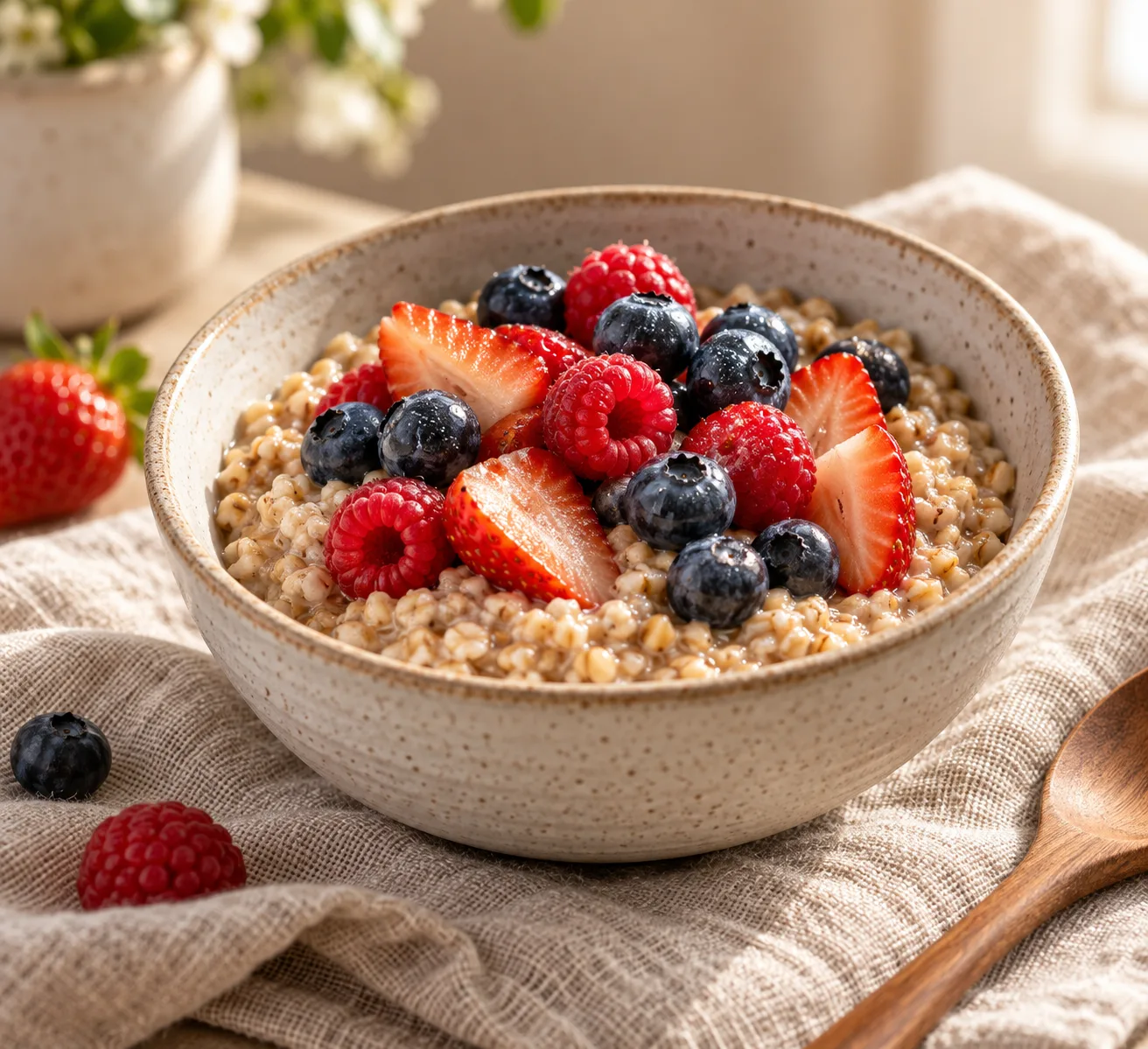
Check out the What’s on a low glycemic foods list? here.
What’s on a low glycemic foods list?
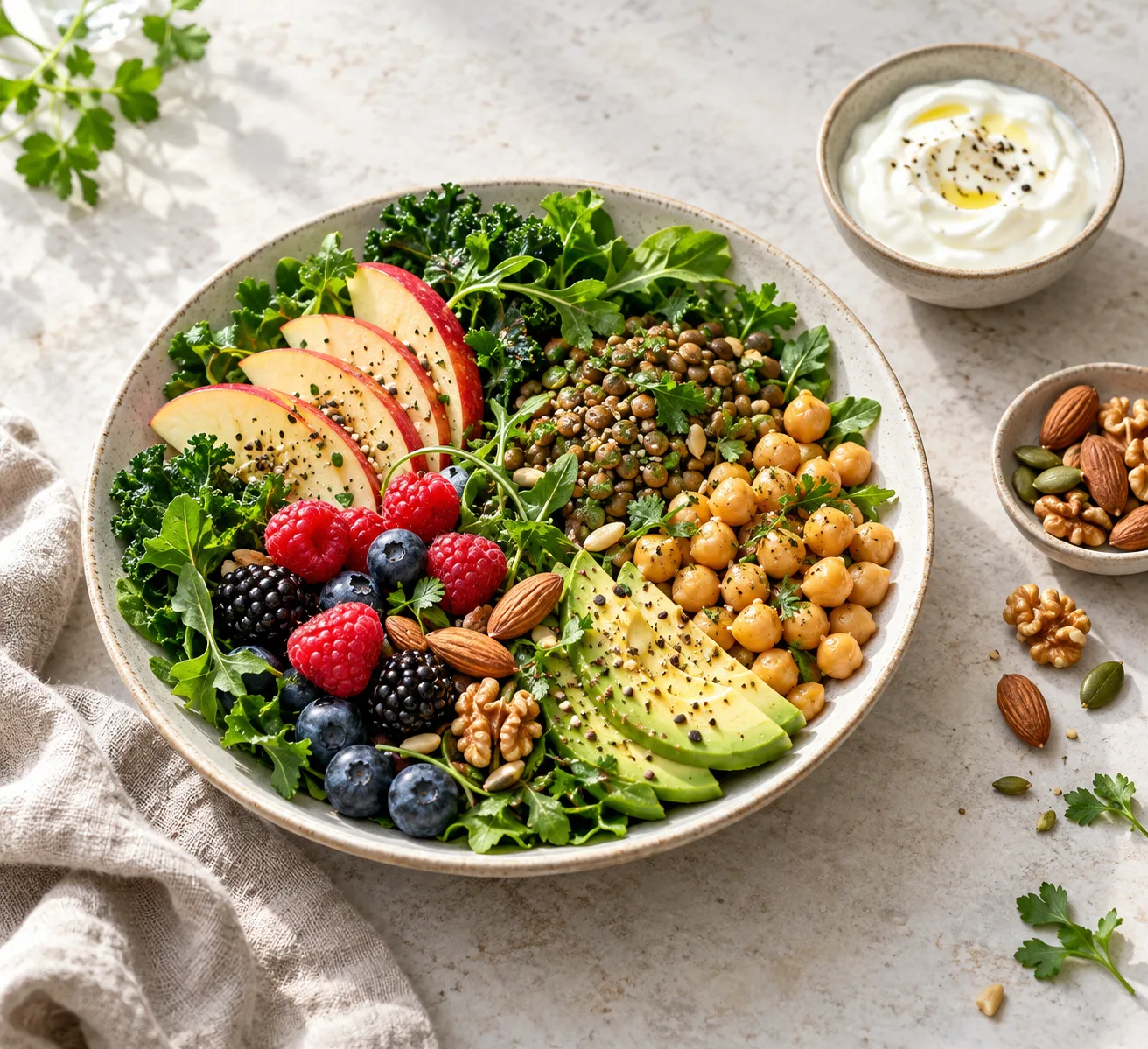
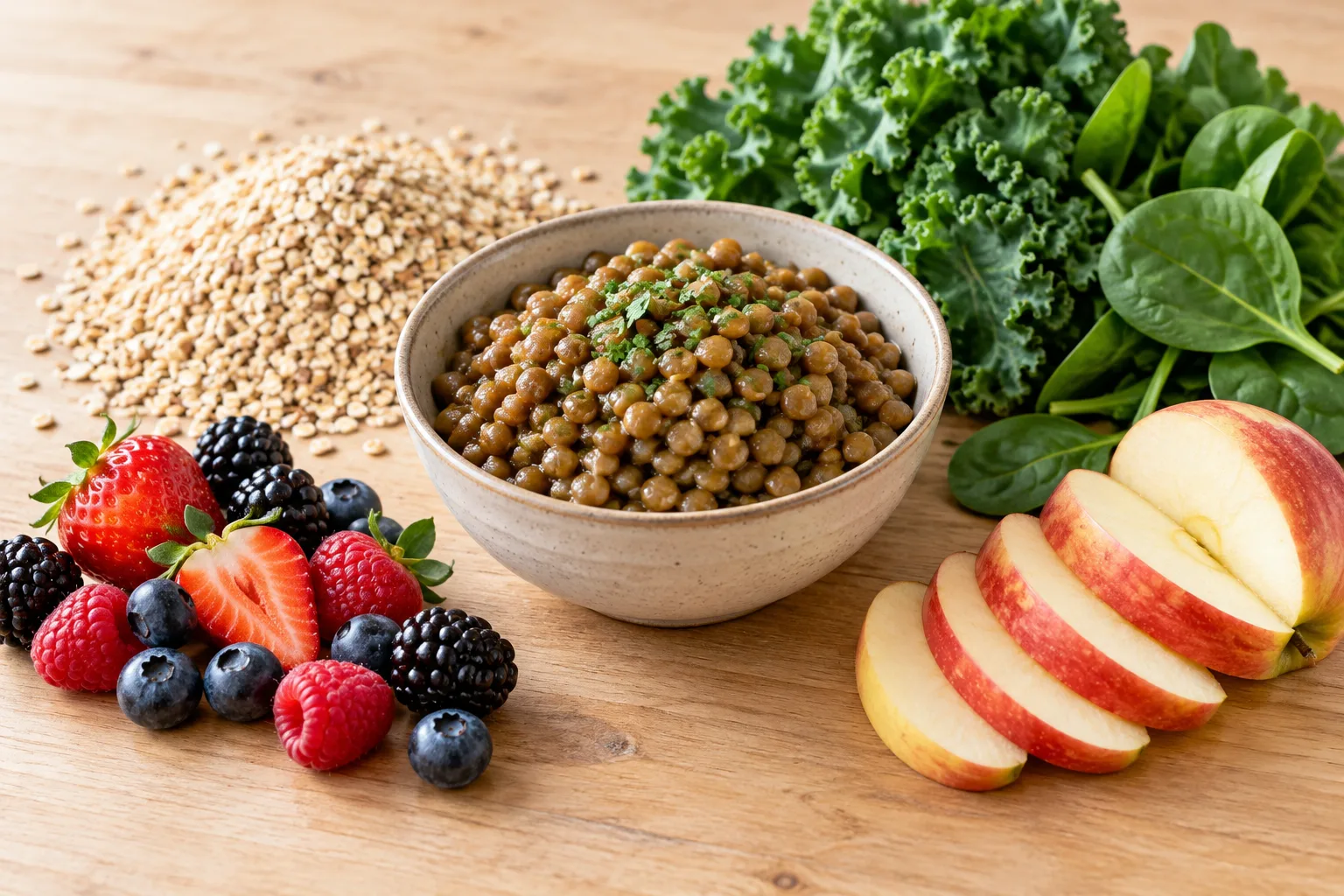
A low glycemic foods list spans vegetables, fruits, legumes, nuts, dairy, and grains, with reported GI values available for selected foods. Examples include green vegetables, most fruits, beans, chickpeas, peanuts, lentils, whole milk, and Greek yogurt.
Meto reports GI values of for lentils, for chickpeas, for black beans, and for kidney beans; its grain examples include quinoa at 53, steel-cut oats at 55, barley at 28, and buckwheat at 49. For fruit, the listed values are 25–40 for berries, for apples, for pears, and for oranges. Its dairy examples are Greek yogurt at 12, skim milk at 37, and soy milk at 30–40.
These are sourced examples, not universal values: GI can depend on brand and cooking method, and the available claims provide serving sizes for only a few foods. Use the low glycemic foods list as a starting point, not a guarantee that every serving has the same score.
How can I tell whether a packaged food is low GI from its label or ingredients?
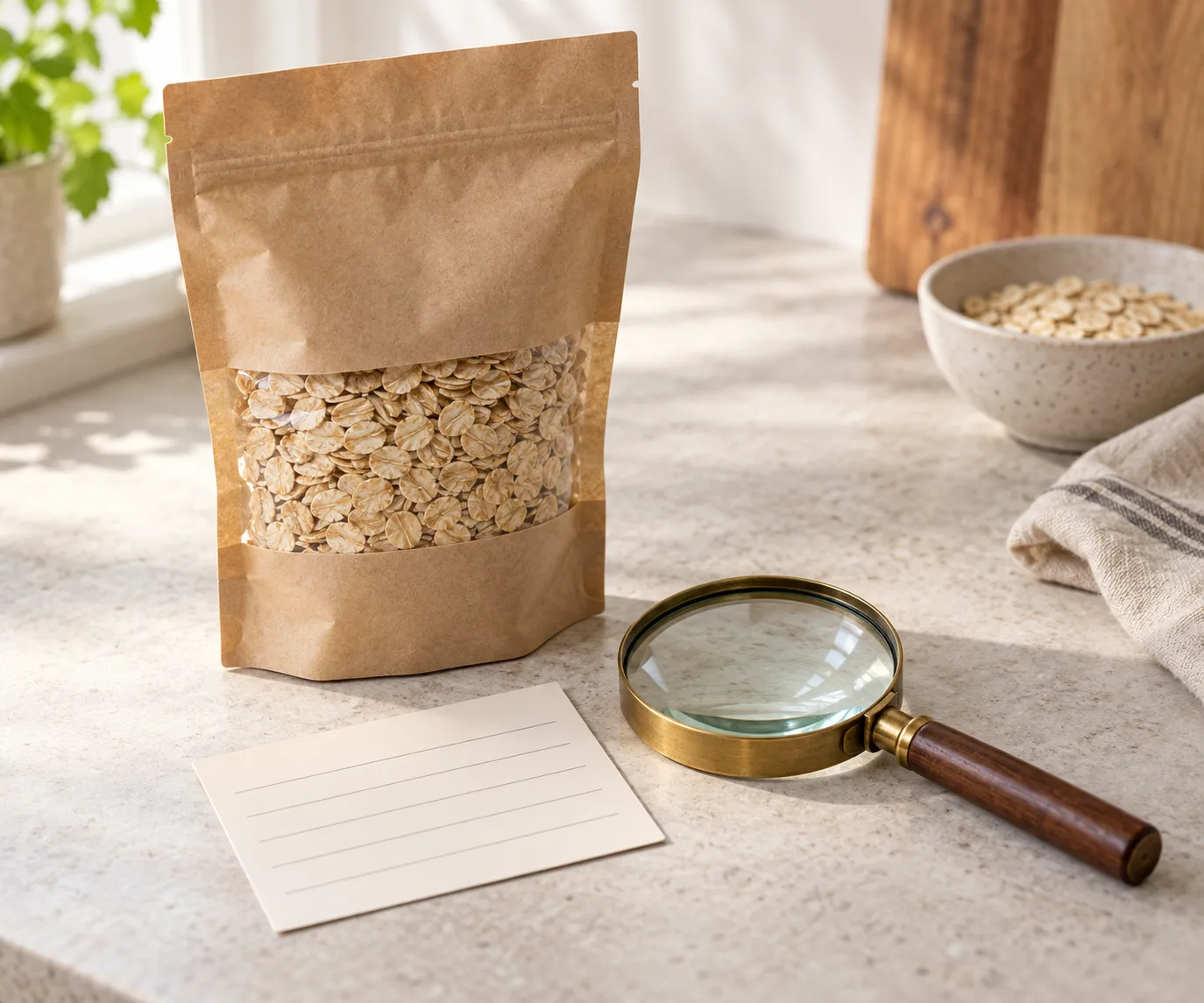
Food packages generally don’t list GI in their nutrition information, and GI can’t be calculated from a nutrition label. So a low glycemic foods list can’t be recreated from label numbers alone.
When you need a GI value, look up the specific food and its cooking method in a validated database; exact GI values require controlled scientific testing. A result for one version of a food may not apply to another preparation, since GI can depend on brand and cooking method.
For processed foods without an available score, consider the ingredients and nutrition facts alongside GI rather than treating an unknown GI as proof that a product is low GI. The available claims don’t provide a label-based calculation, or a rule that classifies a packaged product from its ingredients alone. The low glycemic foods list is useful for food examples, but it can’t confirm a packaged food’s score without relevant data.
Find your new What’s on a low glycemic foods list? on this page.
How do serving size and glycemic load affect blood sugar?
GI alone doesn’t account for how much food you eat or what you combine it with, so it can’t describe a whole meal’s blood-sugar impact. Glycemic load (GL) considers a food’s GI and its carbohydrate content, and its formula is GI multiplied by grams of carbohydrate per serving, divided by 100.
The source identifies a GL of g or less as low GL. That measure makes serving size relevant: changing the carbohydrate amount per serving changes the calculation, even when the GI value stays the same.
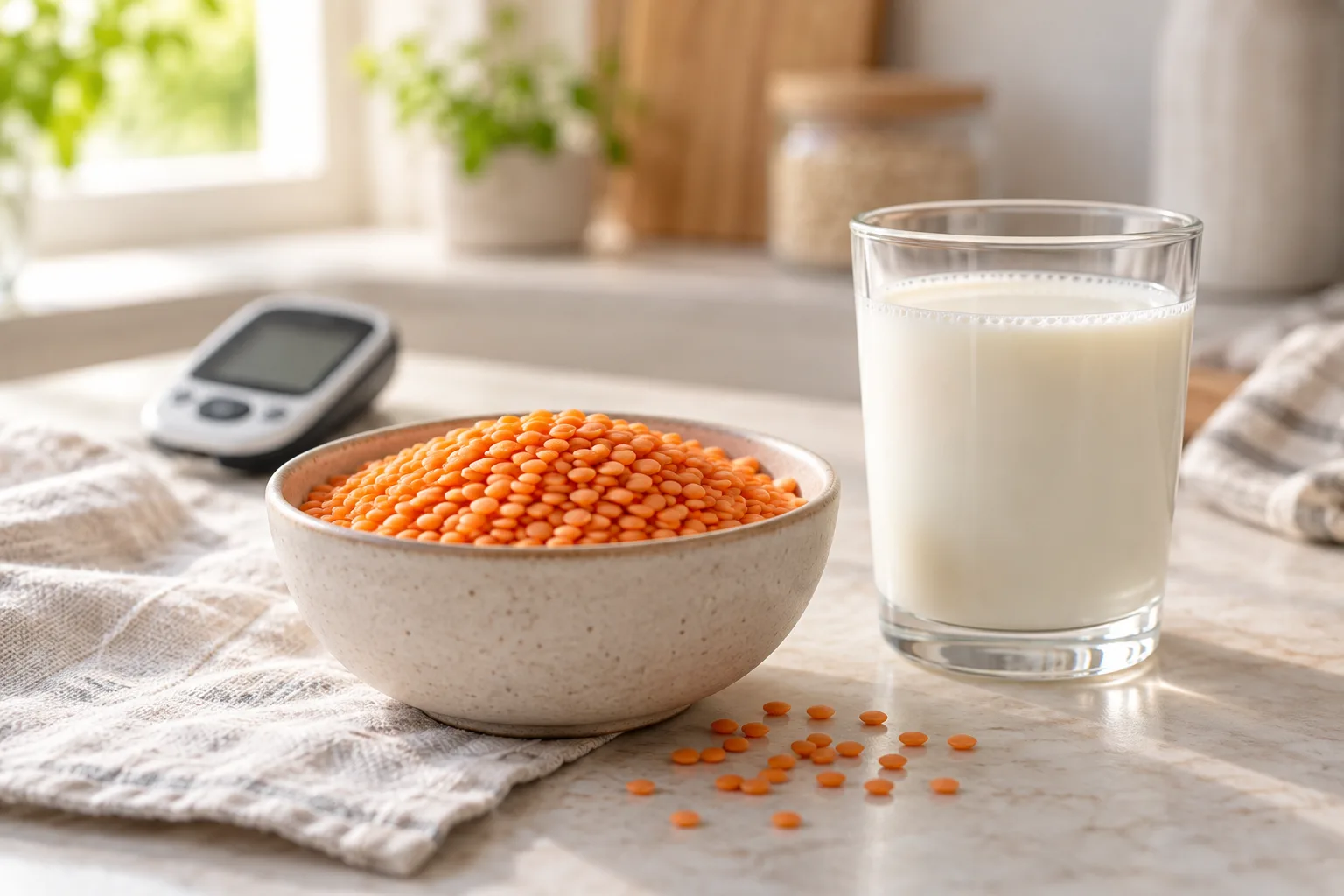
One reference chart gives red lentils a typical cooked portion of g and a GI of 26, while it lists skim milk with a typical portion of ml and a GI of 32. These are reported reference portions, not universal recommendations. A low glycemic foods list gives GI examples; use portion-specific carbohydrate information to calculate GL where available. The available claims don’t provide carbohydrate grams for these example portions, so they don’t support calculating their GL here.
How do cooking, ripeness, and processing change a food’s GI?
Food preparation, processing, cooking, freezing, and blending can affect how a food influences blood sugar. That means a GI entry for one preparation may not describe every version of the same food.
Meto reports a GI of for boiled sweet potato and for baked sweet potato. It also reports GI for a green banana and for a ripe banana. These are source-specific examples, and GI values can depend on brand and cooking method.
Longer cooking times can raise GI, and the cited source says pasta cooked until soft has a higher GI than pasta kept al dente. Juicing low-GI fruit removes fiber and can turn it into a high-spike drink, according to another source. Ripening can also increase a fruit’s GI as starches turn to sugar. So the low glycemic foods list shouldn’t be treated as a fixed score for every recipe: cooking and preparation matter.
How can I build balanced meals with low-GI foods?
A suggested low-GI eating strategy combines carbohydrate-rich foods with high-fiber vegetables, whole grains, legumes, and nuts. You can use that as a general way to think about a meal rather than relying on the GI of one ingredient.
For example, the food examples in the claims include legumes such as lentils and chickpeas, grains such as barley and quinoa, and nuts. The available evidence supports combining carbohydrate-rich foods with high-fiber choices, but it doesn’t provide a complete meal plan, recipes, portion targets, or daily nutrition requirements.
That gap matters if you’re trying to meet individual needs: the low glycemic foods list can offer options, but it can’t tell you how much to eat or whether a particular menu covers your daily requirements. The claims also don’t establish a specific effect on insulin sensitivity, HbA1c, weight management, hunger, cravings, energy crashes, or LDL cholesterol. Those outcomes shouldn’t be inferred from the list alone.
Are there drawbacks to choosing foods by GI alone?
GI is an incomplete guide to food quality: a low-GI food may still be high in calories or saturated fat. A score alone therefore can’t tell you whether a food suits your overall dietary needs.
GI scores also don’t account for how foods affect one another when eaten together in a meal. That limitation matters because a score for an individual food doesn’t describe the response to every combination of ingredients. The low glycemic foods list can help you find examples, but it doesn’t remove that uncertainty.
GI relates to blood-sugar changes and doesn’t capture every important response to food. The available claims don’t establish the effects of choosing foods by GI alone on measures such as weight management, hunger and cravings, energy crashes, insulin sensitivity, HbA1c, or LDL cholesterol. Avoid treating those outcomes as guaranteed. Use GI as one piece of information, and consider other food characteristics as well.
Which low-GI foods suit people managing diabetes, and how should they monitor blood sugar?
People managing diabetes may consider low-GI whole grains and legumes such as lentils and chickpeas as carbohydrate and protein sources, according to one source. Those options are also examples found on a low glycemic foods list, but a food’s score doesn’t predict everyone’s response.
People with diabetes need to monitor blood sugar to manage their condition, and regular blood-sugar checks are recommended for people with diabetes or prediabetes. Responses to the same foods can vary between people. Monitoring can help you see your own response, but the available claims don’t specify a testing schedule or a target reading.
If you’re considering a low-GI eating plan, consult your healthcare team about a plan suited to your health and lifestyle. The low glycemic foods list can suggest foods to discuss, but the claims don’t provide an individualized diabetes meal plan or instructions for changing treatment.
Discover more about the What’s on a low glycemic foods list?.
| Food | Meto GI | The Nutrition Institute GI |
|---|---|---|
| lentils | 32 | — |
| chickpeas | 28 | — |
| skim milk | 37 | 32 |
| red lentils | — | 26 |
Key Takeaways
- Treat GI as a boundary point because sources differ on whether it is included in the low category.
- Use reported food GI values as examples, since values may depend on brand and cooking method.
- Consider serving size as well as GI when assessing glycemic load.
- For diabetes management, monitor blood sugar and consult your healthcare team about an individual plan.
Frequently Asked Questions
What GI score counts as low?
Sources generally define low GI as or less, although one source classifies scores from to as low.
Can I calculate a food’s GI from its nutrition label?
No. GI can’t be calculated from nutrition labels, and food packages generally don’t include GI in their nutrient information.
Does cooking change a food’s GI?
Cooking can affect GI; reported examples include different values for boiled and baked sweet potato, and longer cooking times can raise GI.
Do low-GI foods affect everyone’s blood sugar the same way?
No. Blood-sugar responses to the same foods can vary between people.
