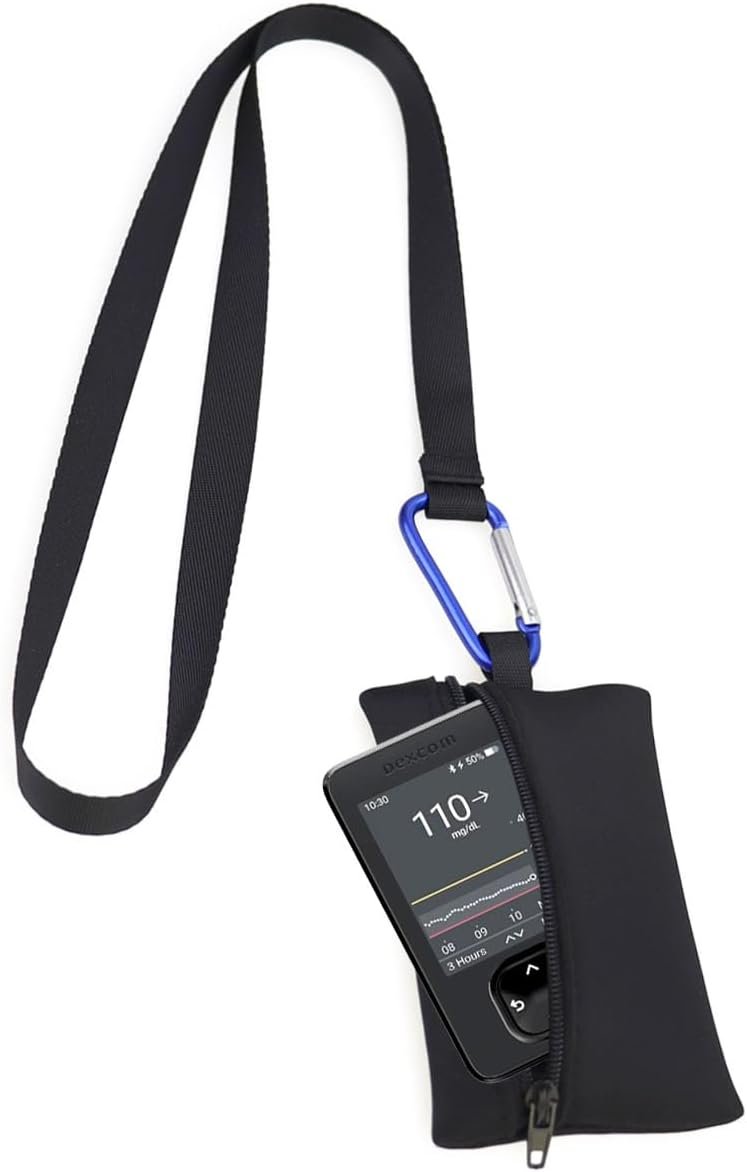
The Blood Glucose Meter Case is worth considering if you use a Dexcom G7 receiver and want the listed neck-worn or clip-on carrying options; its Amazon listing price is $12.99. The listing describes receiver protection, but doesn’t give interior dimensions or confirm space for testing supplies, so check fit and capacity before relying on it as a general diabetes-supplies pouch.
- The listing says the case is designed to protect a Dexcom G7 receiver.
- The listing price is $12.99.
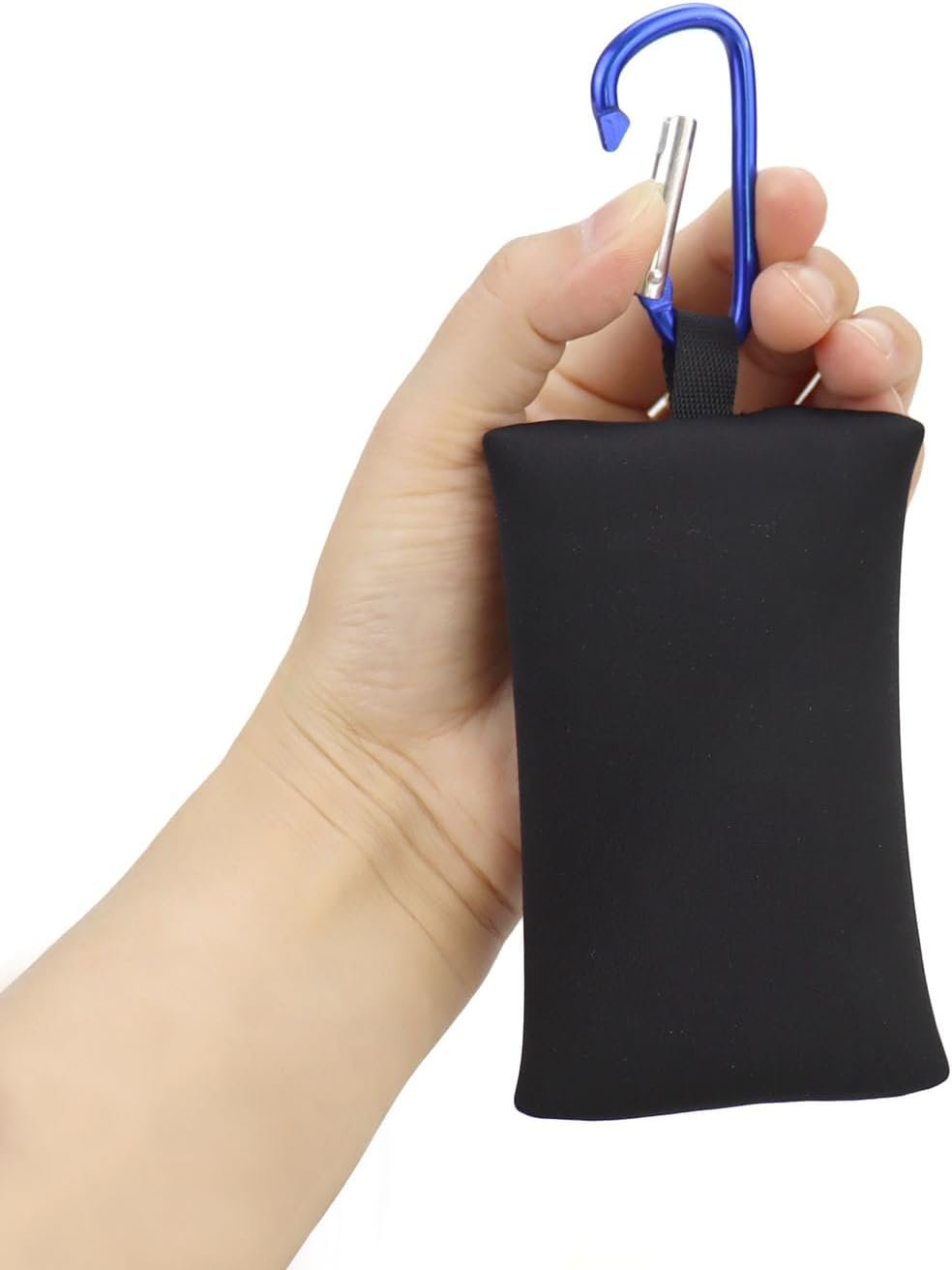
- The listed carrying accessories are a lanyard and carabiner hook; the description also mentions a nylon hook on the case.
- The listing reports an item weight of 0.03 kg; this is a listed specification, not a weight measured in testing.

What is the Blood Glucose Meter Case, and what does it hold?
The Blood Glucose Meter Case is listed as a protective holder for people using a Dexcom G7 receiver. A glucose meter measures glucose in a blood sample, but this product’s stated purpose is protecting the Dexcom receiver—not supplying a complete blood glucose testing kit.
A small storage case can help organize equipment during transport, but the listing doesn’t state this case’s capacity or identify contents beyond its carrying accessories. The Blood Glucose Meter Case could therefore be useful for carrying the receiver, but the available details don’t confirm room for test strips, lancets, or a lancing device. Don’t assume the Diabetes Supplies Pouch wording establishes that those items fit. The Blood Glucose Meter Case’s actual storage space and internal layout are not specified.
How can you check whether the case fits your meter and supplies?
The Blood Glucose Meter Case is described as designed for a Dexcom G7 receiver, but the listing provides no interior dimensions or compatibility list. Before relying on it, identify the device you intend to carry and compare its size with the case’s internal measurements; those measurements aren’t supplied in the available details. The Blood Glucose Meter Case’s stated purpose alone doesn’t confirm fit for other meters.
Test-strip compatibility is a separate question from physical storage: strips are designed for specific glucose meters. Check that the strips match your meter, then confirm separately whether they fit inside the case. No fit information is provided for strips, lancets, or a lancing device. The Blood Glucose Meter Case listing doesn’t establish that any of those supplies can be carried alongside the receiver, so check directly with the seller or manufacturer if that capacity matters to you.
What dimensions, materials, and closure should you compare?
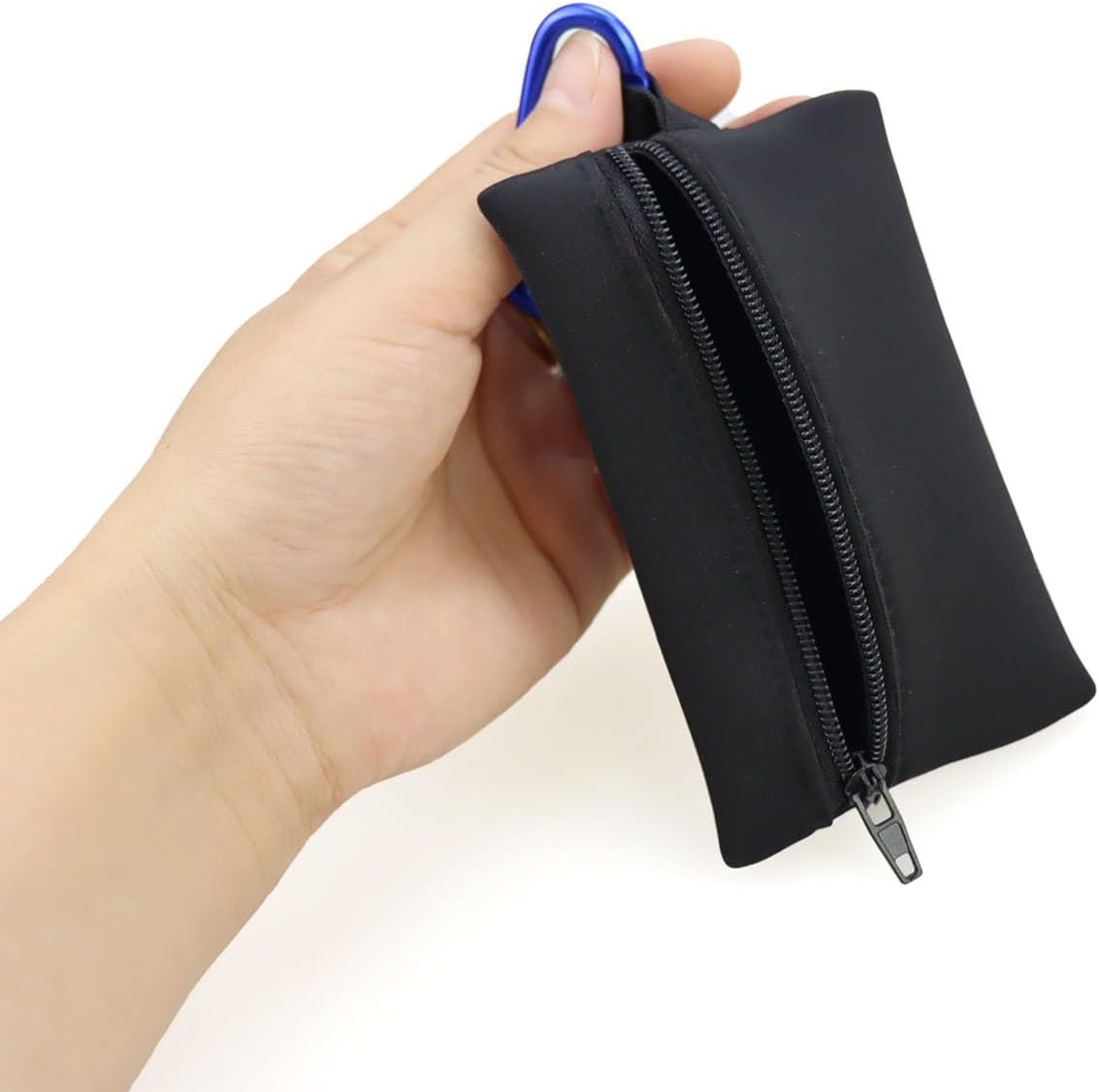
The Blood Glucose Meter Case listing doesn’t provide case dimensions, interior layout, construction material, or closure type. Those missing details make it difficult to compare the case’s storage space or construction with another option. Before choosing a case, compare stated dimensions with your device and supplies, and look for clear details about material and how the case closes; those comparisons can’t be made from this listing’s available specifications.
The listing mentions a nylon hook on the case, a carabiner hook, and a lanyard, but those accessories shouldn’t be mistaken for a material specification or a closure description. It reports an item weight of 0.03 kg, which is a listing figure rather than a measurement we made. The Blood Glucose Meter Case doesn’t have enough published construction detail to judge its closure or durability from the specifications alone. Ask for missing details if they’re important to your decision.
How do you attach and use the lanyard and hook?
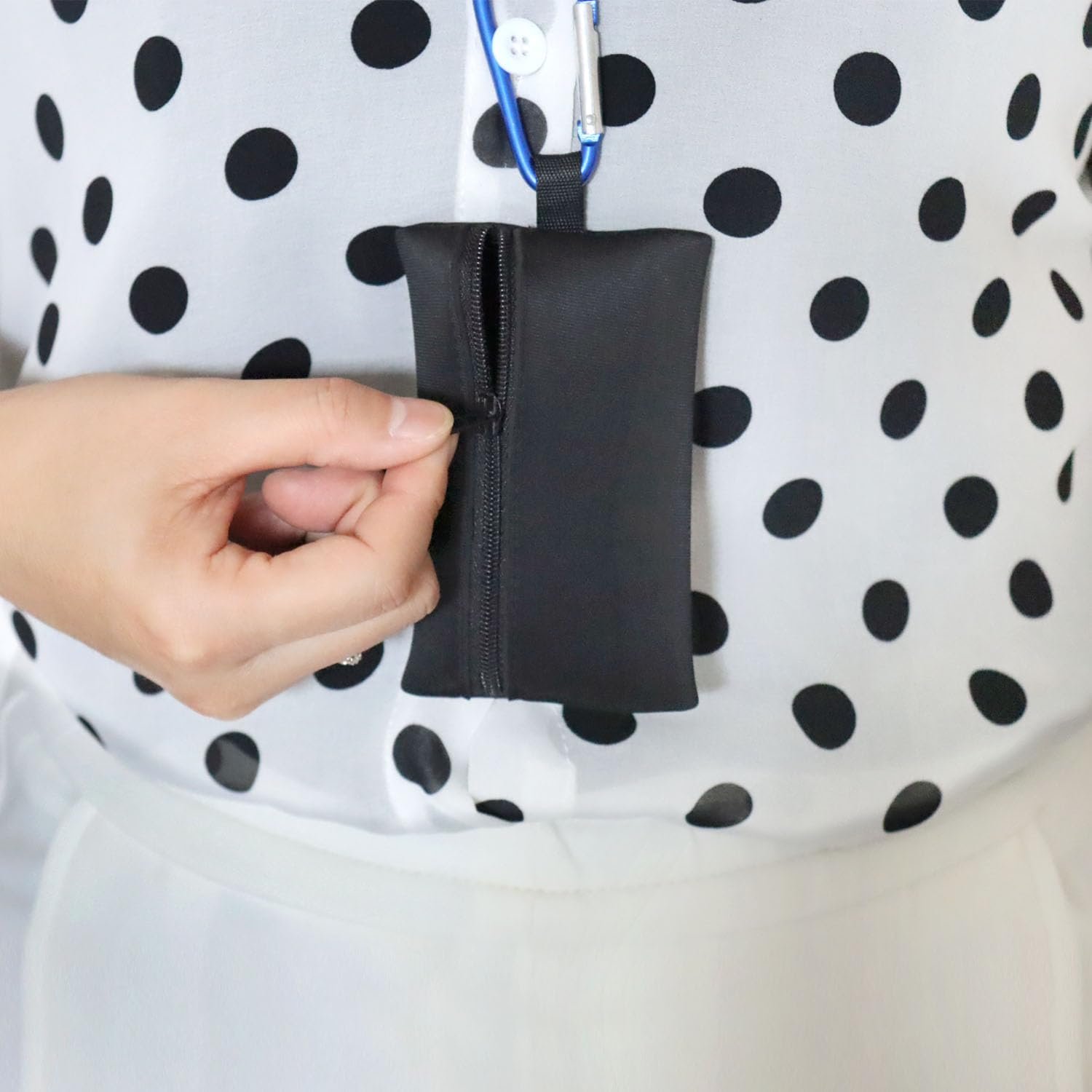
The listing says the Blood Glucose Meter Case can be worn around the neck or clipped to a belt loop, bra, or waistband. It names a nylon hook on the case, a carabiner hook, and a lanyard among the included carrying components. These are the carrying options the product description supports.
The description doesn’t explain exactly how the accessories connect, whether the lanyard adjusts, or what steps to follow to attach them. It also gives no lanyard length or weight limit, so don’t assume a particular fit or load capacity. The Blood Glucose Meter Case’s listing describes ways to carry it, not detailed setup instructions. Check the supplied product instructions or ask the seller if you need to know how the parts connect before using the case. The listed accessories alone don’t establish how secure an attachment will be in a particular situation.

How much does this glucose meter case cost?
The Blood Glucose Meter Case is listed at $12.99 on Amazon. That’s the listed price for this product, not a typical or average price for glucose meter cases. The available information doesn’t provide prices for comparable cases, so it can’t show whether this option costs more or less than alternatives.
Price alone also doesn’t answer whether the Blood Glucose Meter Case will suit your needs: the listing identifies the Dexcom G7 receiver as its intended device but supplies no interior dimensions. Consider whether the listed carrying accessories are useful to you and whether the missing fit and capacity details are acceptable. No buyer-review information is provided in the available claims, so there’s no review-based assessment to weigh alongside the listed price. If you need confirmed room for testing supplies, seek that information before treating the listed pouch description as proof of capacity.
How should you clean the case, and what protection is documented?
The Blood Glucose Meter Case listing claims cushioning intended to absorb everyday bumps, shock, and scratches; that’s a product claim, not an independently verified protection result. The available specifications don’t state whether the case is water-resistant or dust-protective, give a cleaning method, or report impact testing. Don’t treat the cushioning claim as evidence that the case protects supplies from moisture or dust.
For the items you carry, follow their product instructions and keep meters, strips, and lancets in clean, appropriate conditions. Avoid placing supplies where they could be damaged or contaminated. Test strips should be kept dry and at room temperature. The listing doesn’t say how to clean the Blood Glucose Meter Case, so check with the seller or manufacturer rather than assuming a cleaning method. These supply-handling points don’t verify the case’s own protection or cleaning requirements.
Is a lanyard or hook better than carrying the case in a pocket or bag?
The Blood Glucose Meter Case offers neck-worn and clip-on options, with the listing naming a belt loop, bra, or waistband as possible attachment points. Those options support discussing hands-free carrying, but the listing doesn’t compare them with using a pocket or bag. It also provides no wearer testing, so it can’t establish which method is more comfortable or secure.
The description presents the case as suitable for vacation, leisure time, and sports; treat those as intended-use claims, not demonstrated performance. Whether a hook or lanyard suits you depends on your carrying preference, but the available details don’t establish how the accessories connect or their weight limit. The Blood Glucose Meter Case has no named alternative products or buyer-review claims in the supplied information for a direct comparison. Choose based on the listed options, and seek missing details if attachment security matters to you.
What glucose-monitoring supplies should you carry with your meter?
A complete testing kit should include a glucose meter, compatible test strips, a safe blood collection device, hygiene products, and disposal tools. A safety lancet makes the small puncture needed for a capillary blood sample, and single-use safety lancets have protective features intended to help reduce accidental sharps injuries.
Alcohol wipes or suitable cleaning materials can help maintain hand hygiene before testing. Handle used lancets carefully and discard them according to appropriate safety practices. The Blood Glucose Meter Case is described as a holder for the Dexcom G7 receiver, but the listing doesn’t establish that it has room for this wider set of testing supplies. Check capacity before packing them together. Test strips must also be compatible with the meter you use; physical room in a case doesn’t make an incompatible strip suitable.

Pros and Cons
Pros
- Designed for people using a Dexcom G7 receiver, according to the listing.
- Offers listed neck-worn and clip-on carrying options.
- The listing claims cushioning intended to absorb everyday bumps, shock, and scratches.
Cons
- No interior dimensions, capacity, or compatibility list are provided.
- The listing doesn’t specify the case material, closure type, cleaning method, water resistance, or dust protection.
- The listing provides no lanyard length or weight limit.
Final Verdict
Key Takeaways
- Consider the case if you use a Dexcom G7 receiver and want the listed neck-worn or clip-on carrying options.
- Check device fit before purchase because the listing doesn’t provide interior dimensions.
- Don’t assume test strips, lancets, or a lancing device will fit; capacity isn’t specified.
- Treat the cushioning as a listing claim, not verified impact protection, and don’t infer water or dust resistance.
Frequently Asked Questions
Will this case hold test strips, lancets, and a lancing device?
The listing doesn’t confirm that those supplies fit; it gives no capacity or interior dimensions.
Is the case water-resistant or dust-protective?
The available listing details don’t specify water resistance or dust protection. The cushioning claim concerns everyday bumps, shock, and scratches, and isn’t independently verified.
What carrying options are listed?
The listing says you can wear the case around your neck or clip it to a belt loop, bra, or waistband.
How much is the case listed for?
The Amazon listing price is $12.99; no comparable case prices are supplied.