Insulin resistance occurs when cells respond poorly to insulin, making it harder for glucose to move from the bloodstream into cells; the pancreas may initially make more insulin to keep blood sugar normal, but blood sugar can rise later. Insulin Resistance: Symptoms, Causes and Ways to Improve It includes understanding that symptoms may be absent and that prediabetes is assessed with blood tests, including fasting glucose, A1C and an oral glucose tolerance test.
- Insulin resistance means cells don’t respond properly to insulin, which helps move glucose from the bloodstream into cells.
- Insulin resistance and prediabetes often have no noticeable symptoms.
- Prediabetes ranges include fasting glucose of 100–125 mg/dL, A1C of 5.7%–6.4%, and oral glucose tolerance of 140–199 mg/dL two hours after the drink.
- At least minutes of moderate exercise per week is recommended, and strength training can help improve insulin sensitivity.
What is insulin resistance, and how does it affect blood sugar and insulin levels?
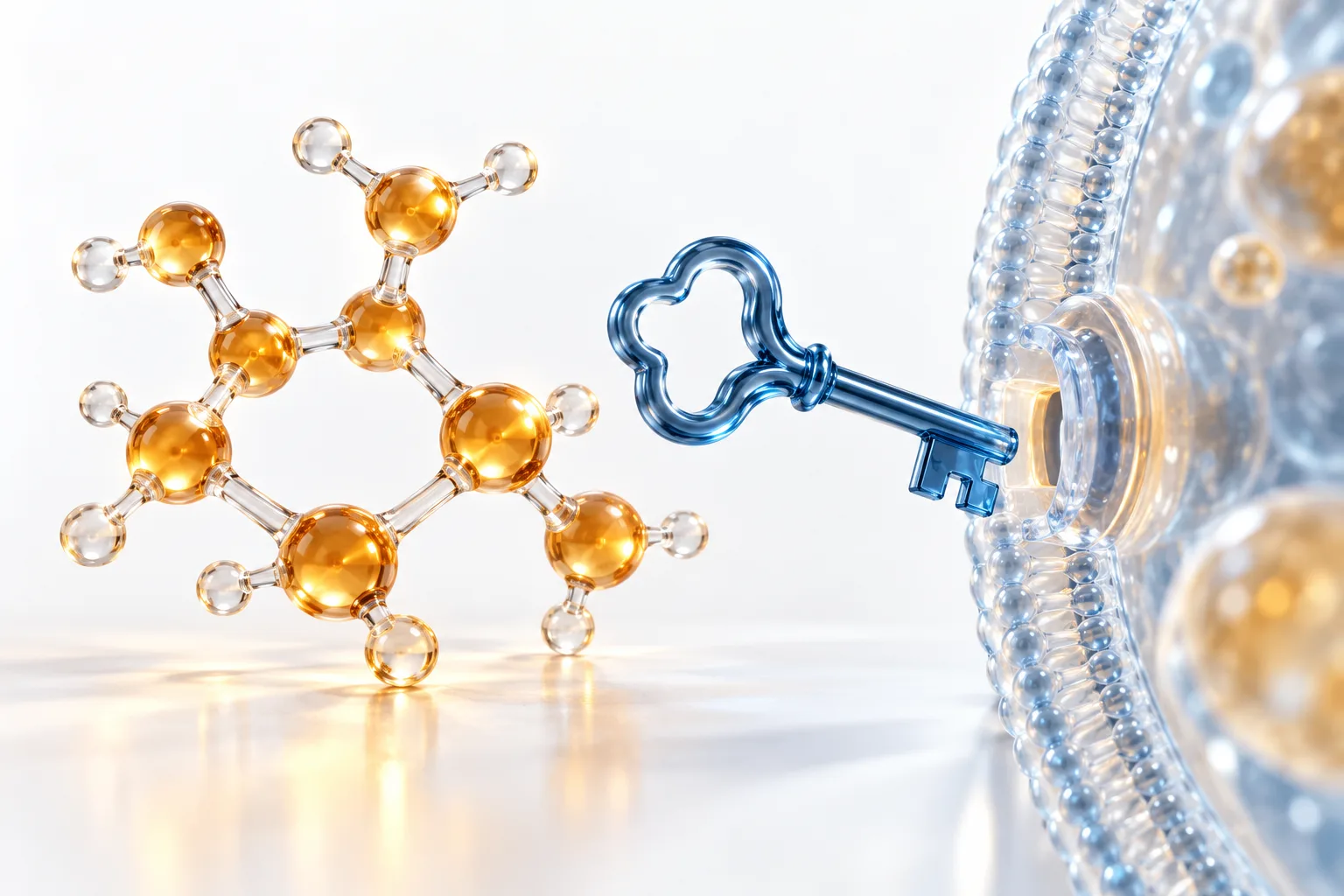
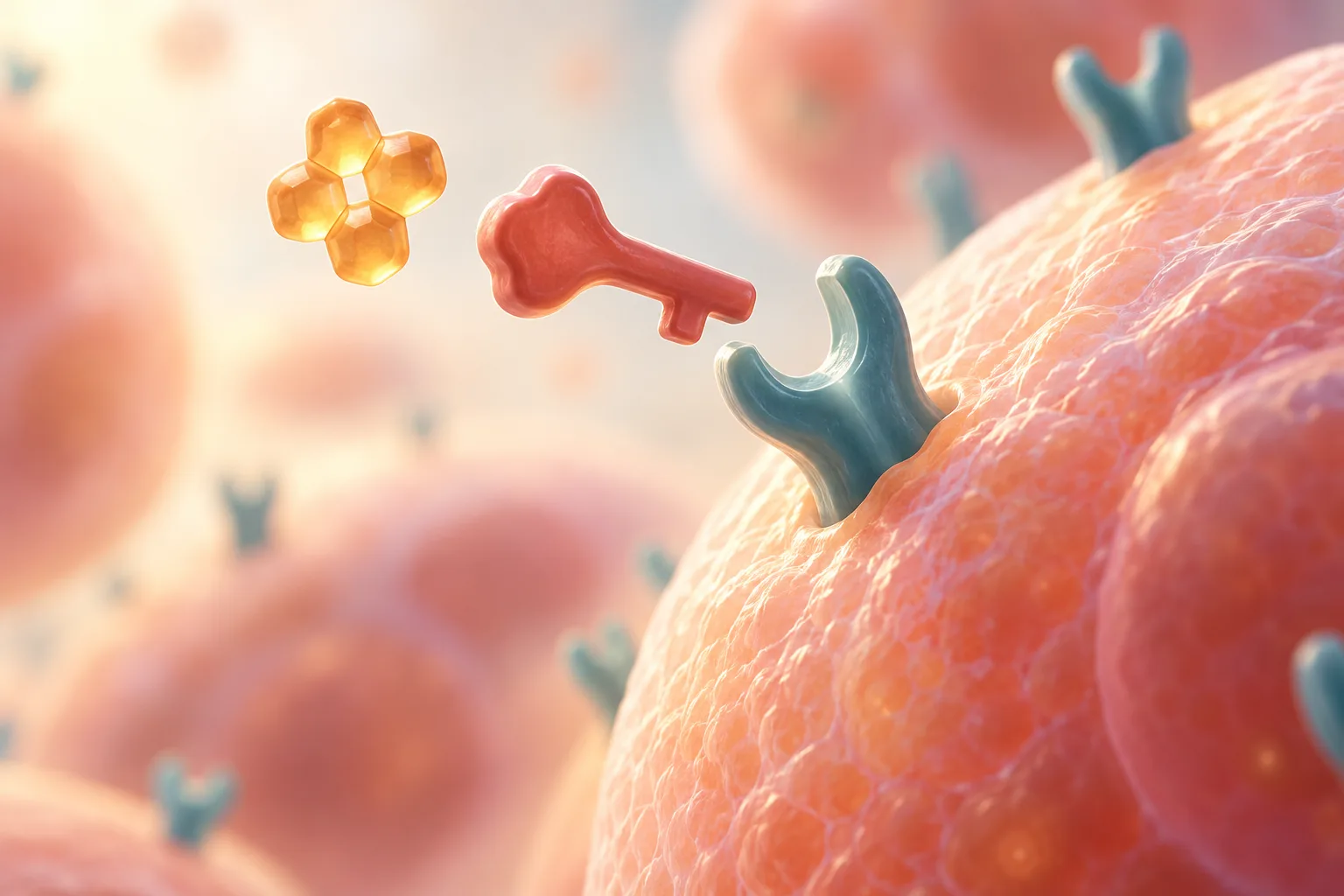
Insulin resistance occurs when cells don’t respond properly to insulin, the hormone that helps move glucose from the bloodstream into cells. When cells respond less effectively, glucose uptake becomes harder to support. The pancreas may initially compensate by producing more insulin, keeping blood sugar normal for a time.
That compensation may not last. The pancreas may eventually fail to make enough insulin to help extra glucose enter cells, and blood glucose can rise. Insulin Resistance: Symptoms, Causes and Ways to Improve It starts with this distinction between insulin response and blood sugar. Insulin Resistance: Symptoms, Causes and Ways to Improve It also explains why a normal blood sugar result at one point doesn’t necessarily describe how the body is responding to insulin. Insulin Resistance: Symptoms, Causes and Ways to Improve It is a useful frame for understanding how insulin resistance can progress without obvious signs.
Insulin Resistance: Symptoms, Causes and Ways to Improve It — what symptoms might I notice?
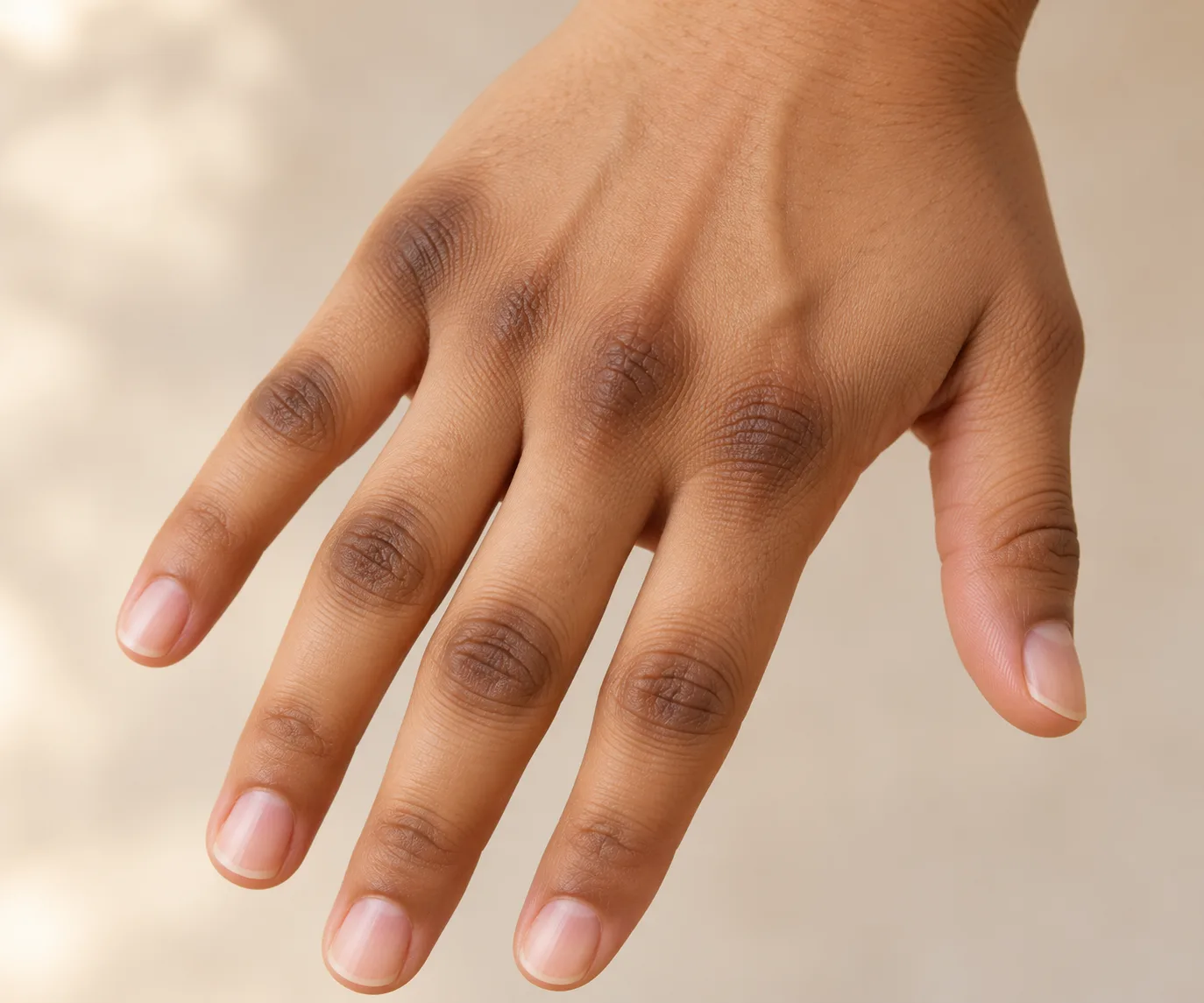
Insulin resistance and prediabetes often cause no noticeable symptoms, so you may not know they’re present. Some possible signs include fatigue after meals, cravings for carbohydrates or sweets, difficulty losing weight around the waist, and darkened skin patches. Dark, velvety patches may occur on the neck, armpits or groin, but possible signs don’t establish a diagnosis.
How you feel alone can’t identify insulin resistance; blood testing is needed. Insulin Resistance: Symptoms, Causes and Ways to Improve It should not be taken to mean that any one symptom confirms the condition. Insulin Resistance: Symptoms, Causes and Ways to Improve It is a reason to consider the full picture, including possible warning signs and risk factors. Discuss those concerns with a healthcare professional, particularly if you have risk factors or notice possible warning signs. Insulin Resistance: Symptoms, Causes and Ways to Improve It can’t replace clinical assessment or blood tests.
What health conditions and lifestyle factors can raise the risk of insulin resistance?
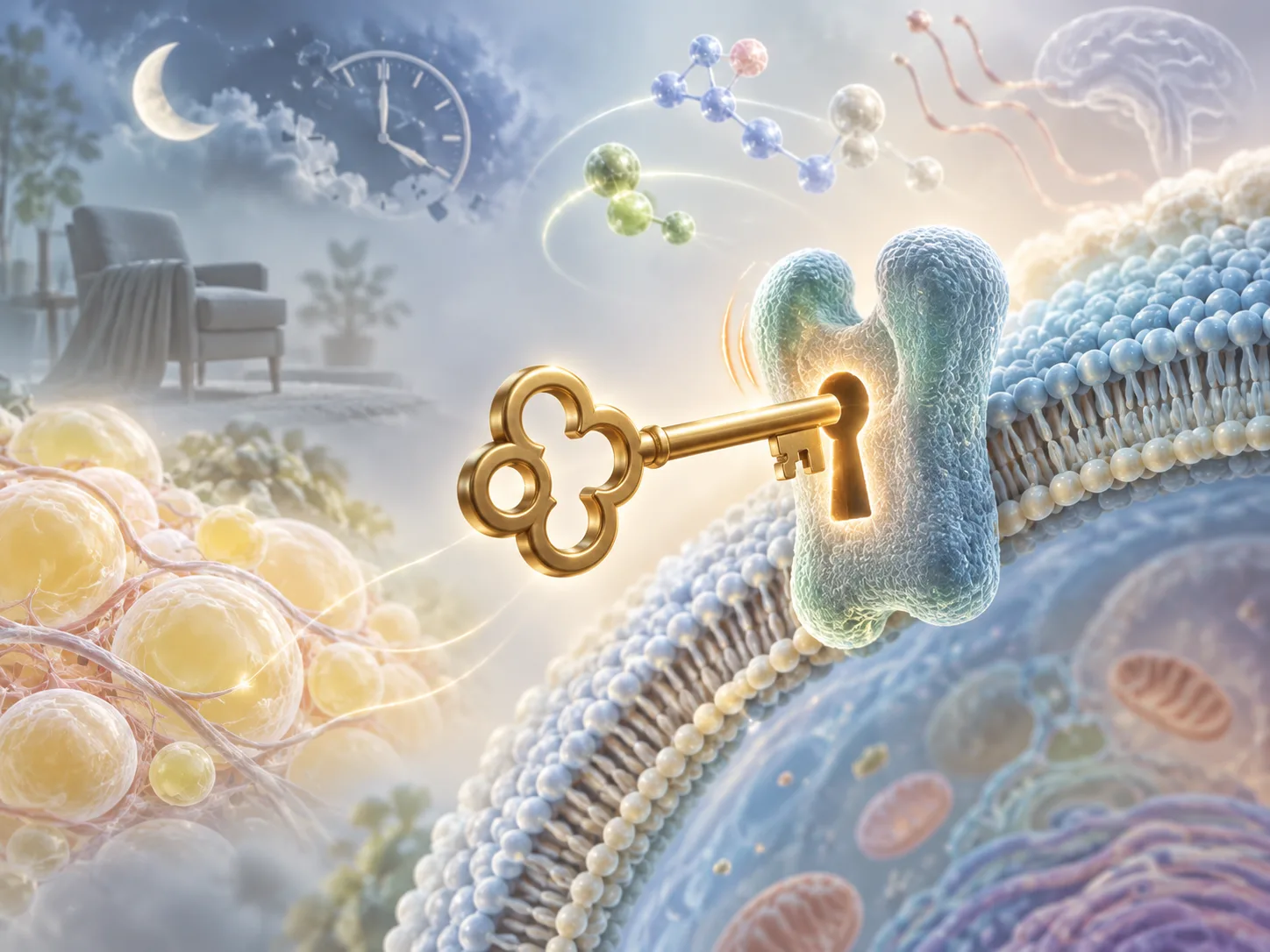
Insulin resistance risk factors include excess weight, especially abdominal fat, physical inactivity, smoking, poor sleep, stress, age over 35, family history of type diabetes, some medications and certain hormonal conditions. Risk can also be associated with overweight or obesity, inactivity, smoking, certain conditions and some medicines taken over time.
A healthy weight doesn’t rule out insulin resistance; it can affect some people with a healthy weight or BMI. Polycystic ovary syndrome can cause insulin resistance and sometimes severe insulin resistance. Other linked conditions include sleep apnea, a history of gestational diabetes and metabolic dysfunction-associated steatotic liver disease. Insulin Resistance: Symptoms, Causes and Ways to Improve It should account for more than body weight alone. Insulin Resistance: Symptoms, Causes and Ways to Improve It includes health conditions and daily habits as well as family history. Insulin Resistance: Symptoms, Causes and Ways to Improve It is not a personal risk assessment; discuss your own factors with a healthcare professional.
Which tests assess insulin resistance, and what do the results mean?
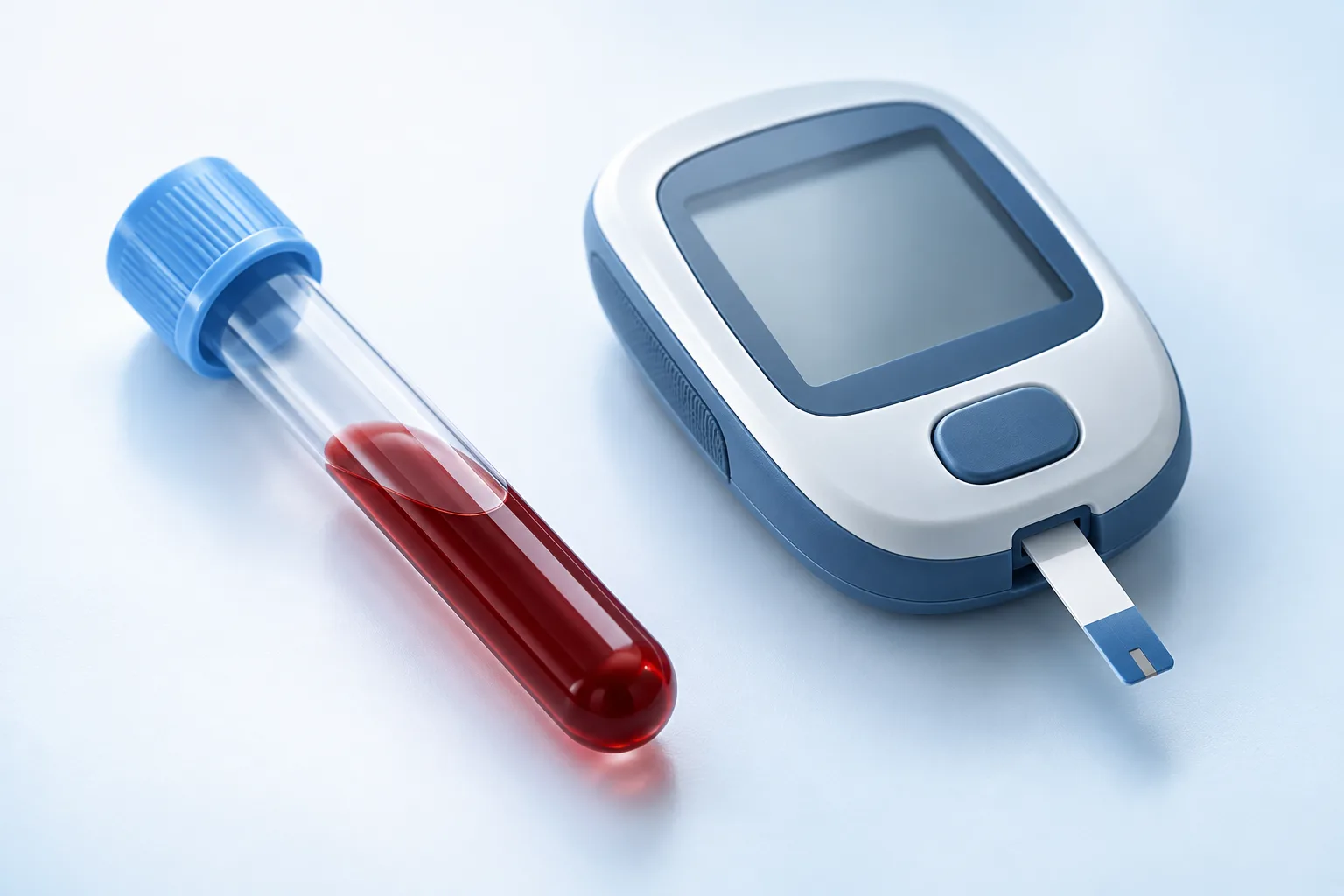
There’s no single specific test for insulin resistance, and insulin-resistance testing may be used primarily for research. Clinicians use fasting blood glucose, A1C and an oral glucose tolerance test to assess prediabetes. The prediabetes range is 100–125 mg/dL for fasting glucose, 5.7%–6.4% for A1C, and 140–199 mg/dL two hours after the glucose drink for the oral tolerance test.
Fasting glucose measures blood glucose at the time of testing, while A1C reflects average blood glucose over the previous three months. Insulin Resistance: Symptoms, Causes and Ways to Improve It should distinguish testing for prediabetes from a specific insulin-resistance test. Insulin Resistance: Symptoms, Causes and Ways to Improve It also means interpreting results in context with a clinician. Insulin Resistance: Symptoms, Causes and Ways to Improve It can’t determine your diagnosis from a threshold alone; ask a healthcare professional what your results mean.
What changes to diet, exercise, sleep, and stress may improve insulin sensitivity?
Healthy foods and drinks, physical activity, weight management and enough sleep are lifestyle approaches that may help prevent or reverse insulin resistance and prediabetes. Guidance includes limiting highly processed and high-fat foods and eating high-fiber foods. Aim for at least minutes of moderate exercise each week; strength training can also help improve insulin sensitivity.
Aim for to hours of sleep each night and manage stress daily. For people at high risk of diabetes, losing 5% to 7% of starting weight helped reduce the chance of developing diabetes in the Diabetes Prevention Program study. Insulin Resistance: Symptoms, Causes and Ways to Improve It can be approached through changes in food, activity, sleep and weight management. Insulin Resistance: Symptoms, Causes and Ways to Improve It doesn’t require assuming that one particular diet is proven here. Insulin Resistance: Symptoms, Causes and Ways to Improve It is best discussed with a clinician if you need guidance suited to your health.
Can insulin resistance be reversed, and how long might improvement take?
Insulin resistance is described as treatable but not curable. Healthy living—including healthy foods and drinks, physical activity, weight management and enough sleep—may help prevent or reverse insulin resistance and prediabetes. The evidence cited here does not specify how long it takes for insulin resistance itself to improve.
The Diabetes Prevention Program Outcomes Study showed that people can prevent or delay type diabetes for at least years with lifestyle changes or metformin. That finding describes diabetes prevention or delay, not a timeline for changes in insulin sensitivity. Insulin Resistance: Symptoms, Causes and Ways to Improve It should therefore avoid promising a particular time to improvement. Insulin Resistance: Symptoms, Causes and Ways to Improve It can be discussed with a healthcare professional as part of setting realistic goals. Insulin Resistance: Symptoms, Causes and Ways to Improve It doesn’t provide a fixed recovery schedule; the available claims don’t establish one.
What can happen if insulin resistance isn't addressed, and what are the treatment trade-offs?
Insulin resistance can be followed by higher blood glucose when the pancreas can’t make enough insulin to help glucose enter cells. It may lead to prediabetes or type diabetes, and lifestyle changes or metformin have been shown to prevent or delay type diabetes for at least years among people in the cited outcomes study.
Weight loss, healthy eating, exercise, metformin and pioglitazone can improve severe insulin resistance. The available claims don’t specify medication risks or compare the trade-offs among these options, so discuss those questions with a clinician. Talk with a doctor before starting supplements because they may interact with current medications. Insulin Resistance: Symptoms, Causes and Ways to Improve It should not be read as a recommendation to start a medicine or supplement. Insulin Resistance: Symptoms, Causes and Ways to Improve It is a topic to discuss with your healthcare professional when considering treatment. Insulin Resistance: Symptoms, Causes and Ways to Improve It does not establish which option is right for you.
| Test | Stony Brook Medicine | NIDDK |
|---|---|---|
| fasting blood glucose | 100–125 mg/dL | from to mg/dL |
| A1C | from 5.7 percent to 6.4 percent | from 5.7% to 6.4% |
| oral glucose tolerance test | 140–199 mg/dL two hours after drinking a sweet liquid | from to mg/dL |
Key Takeaways
- Discuss possible warning signs or risk factors with a healthcare professional.
- Ask a clinician which blood tests are appropriate; no single specific test for insulin resistance is established here.
- Consider physical activity, high-fiber foods, enough sleep and weight management as lifestyle approaches.
- Talk with a doctor before starting supplements, and discuss medication risks and trade-offs with a clinician.
Frequently Asked Questions
What symptoms, if any, can indicate insulin resistance?
Insulin resistance and prediabetes often have no noticeable symptoms. Possible signs include fatigue after meals, cravings, difficulty losing weight around the waist and darkened skin patches, but symptoms alone can’t identify the condition.
Which tests do clinicians use to assess insulin resistance?
There’s no single specific test for insulin resistance, and insulin-resistance testing may be used primarily for research. Clinicians use fasting glucose, A1C and oral glucose tolerance testing to assess prediabetes.
What changes may improve insulin sensitivity?
Healthy foods and drinks, physical activity, weight management and enough sleep may help. Guidance includes at least minutes of moderate exercise weekly, strength training, and to hours of sleep each night.
Can insulin resistance be reversed, and how long does improvement take?
Insulin resistance is treatable but not curable. The available claims don’t specify how long insulin-resistance improvements take; they report that lifestyle changes or metformin can prevent or delay type diabetes for at least years.
