A snack that supports steadier blood sugar balances carbohydrates with protein, fiber, or healthy fats; the sources recommend 5–10 grams of protein per serving as one guideline. “Snacks for Stable Blood Sugar: Options That Work” can organize the ideas, but the available evidence supports fewer than distinct snack options, so it doesn’t justify inventing the rest.
- Carbohydrates have the greatest effect on blood sugar, so the source recommends paying close attention to their amount.
- One source recommends aiming for 5–10 grams of protein per snack serving.
- A quarter cup of unsalted nuts or seeds is listed as a low-carbohydrate snack option.
- A carbohydrate exchange contains approximately grams of carbohydrate.
- Not everyone with diabetes needs snacks to manage diabetes.
What does it mean for a snack to support stable blood sugar?
A snack that supports stable blood sugar pays attention to its carbohydrate amount and balances nutrients. Carbohydrates have the greatest effect on blood sugar, so one source recommends paying close attention to them when managing diabetes. Protein and fat can delay carbohydrate absorption; the source reports that protein takes 2–4 hours to digest and fat takes 4–6 hours. Those digestion times are source-reported context, not a universal prediction of an individual response.
Balancing snack nutrients is recommended to support blood sugar control and longer-lasting fullness. Pairing a carbohydrate-containing snack with protein or healthy fats is also recommended to reduce blood sugar spikes. Snacks may help meet nutrition needs and satisfy hunger between meals, but not everyone with diabetes needs snacks to manage diabetes. “Snacks for Stable Blood Sugar: Options That Work” is a useful way to frame snack ideas, but it doesn’t establish a personal meal plan. “Snacks for Stable Blood Sugar: Options That Work” should be read as a guide to supported examples, not a promise about glucose results. “Snacks for Stable Blood Sugar: Options That Work” can’t replace individual guidance.
Which snacks combine protein, fiber, or healthy fats to help limit blood sugar spikes?
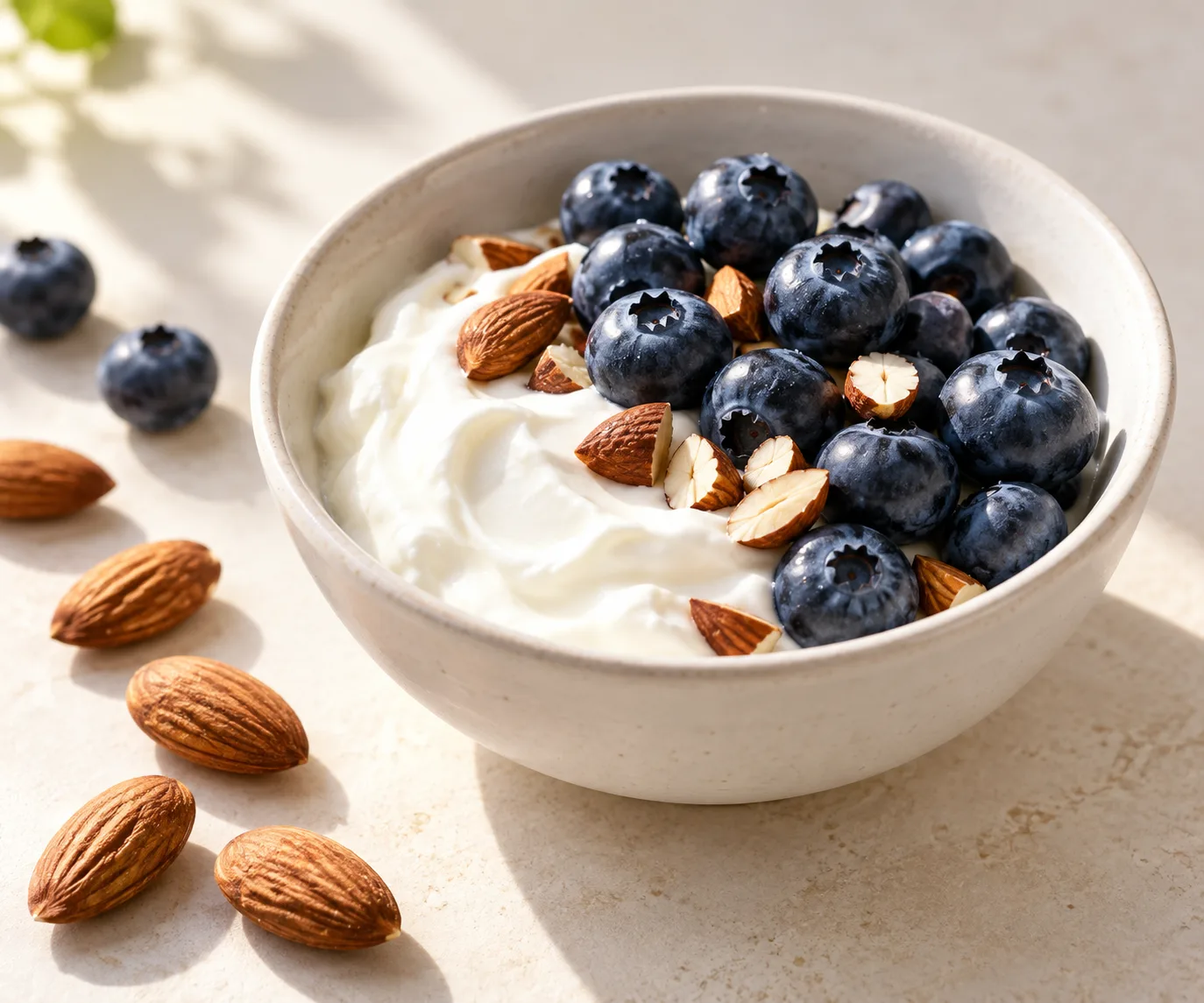
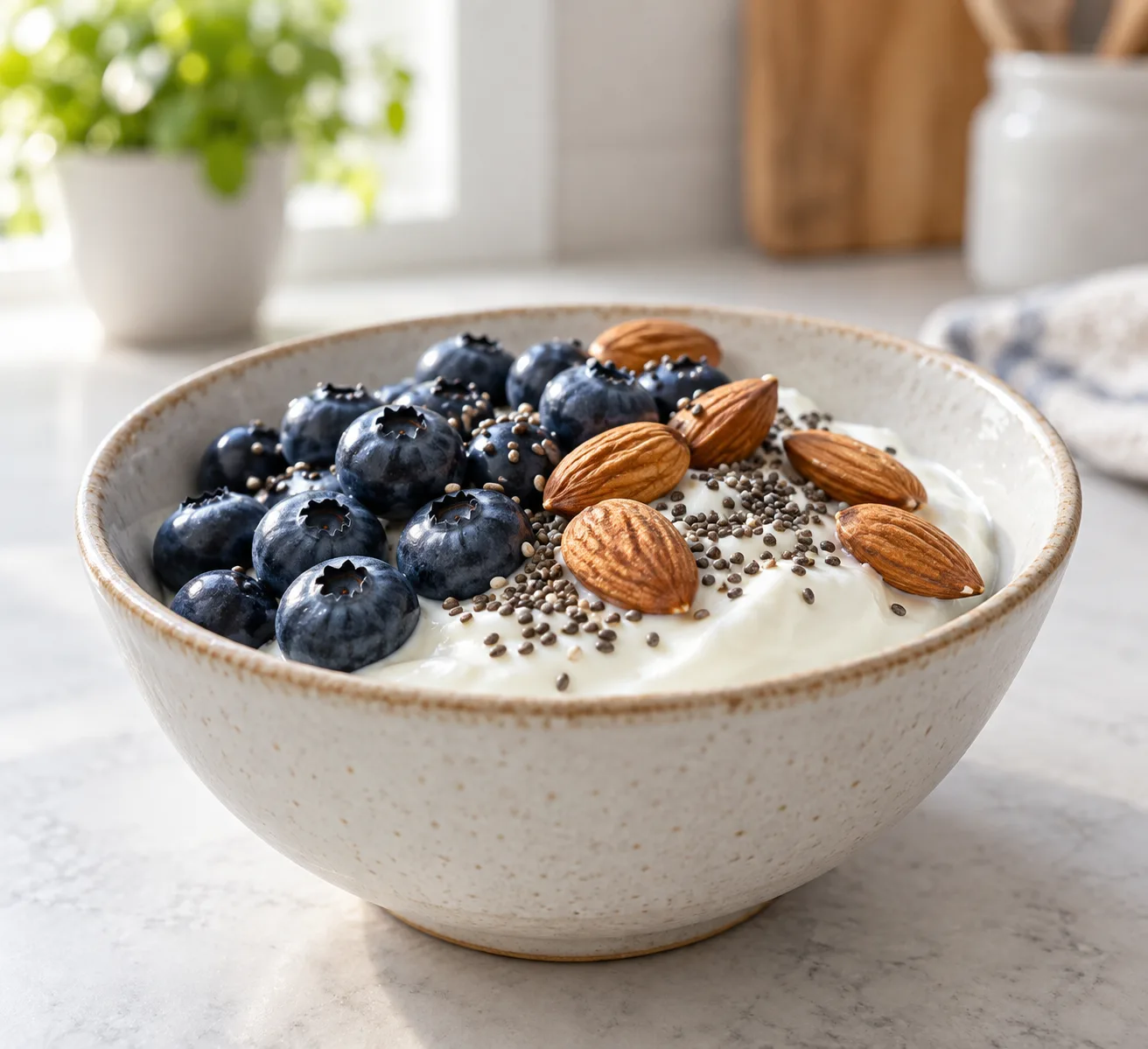
The available sources support fewer than distinct snack options, so the list below doesn’t reach the number in the title. Supported examples include half a cup of blueberries with six ounces of plain Greek yogurt, and Greek yogurt with cinnamon, reported to provide 15–20 grams of protein per serving. Other examples are a hard-boiled egg, which provides grams of protein; almonds, which provide protein, healthy fats, and fiber; and edamame, which provides grams of protein per cup and contains fiber.
The sources also list tuna salad lettuce wraps, celery with natural peanut butter, spice-roasted almonds, and cottage cheese with chickpeas. Pair carbohydrate-containing snacks with protein or healthy fats as a source-backed approach to reducing blood sugar spikes. The five core food groups offer another way to organize choices: wholegrains; vegetables and legumes; fruit; reduced-fat dairy and alternatives; and lean meats and alternatives. “Snacks for Stable Blood Sugar: Options That Work” includes only the examples the evidence supports. “Snacks for Stable Blood Sugar: Options That Work” can’t supply unsupported additions. “Snacks for Stable Blood Sugar: Options That Work” therefore names more options than this ledger establishes.
How much protein, fiber, and carbohydrate should a blood-sugar-friendly snack contain?
Snack targets depend on which source and situation you’re considering. One source recommends aiming for 5–10 grams of protein per serving, while another defines a protein-rich snack as containing at least grams per serving. These are different source-specific descriptions, not one combined rule. The ledger gives no general fiber target for a snack.
The carbohydrate range of 0–30 grams describes typical snacks for school-age children; the source notes that teenagers may need more. It isn’t presented as a universal adult target. A separate recommendation is specifically for snacks intended to prevent hypoglycaemia: aim for 15–30 grams of carbohydrate per snack. That purpose-specific guidance shouldn’t be treated as a general carbohydrate prescription. “Snacks for Stable Blood Sugar: Options That Work” doesn’t establish one protein, fiber, or carbohydrate target for everyone. “Snacks for Stable Blood Sugar: Options That Work” also can’t determine your individual needs. “Snacks for Stable Blood Sugar: Options That Work” should be interpreted alongside the context given for each recommendation.
What portion sizes of common snacks can help keep carbohydrate intake predictable?
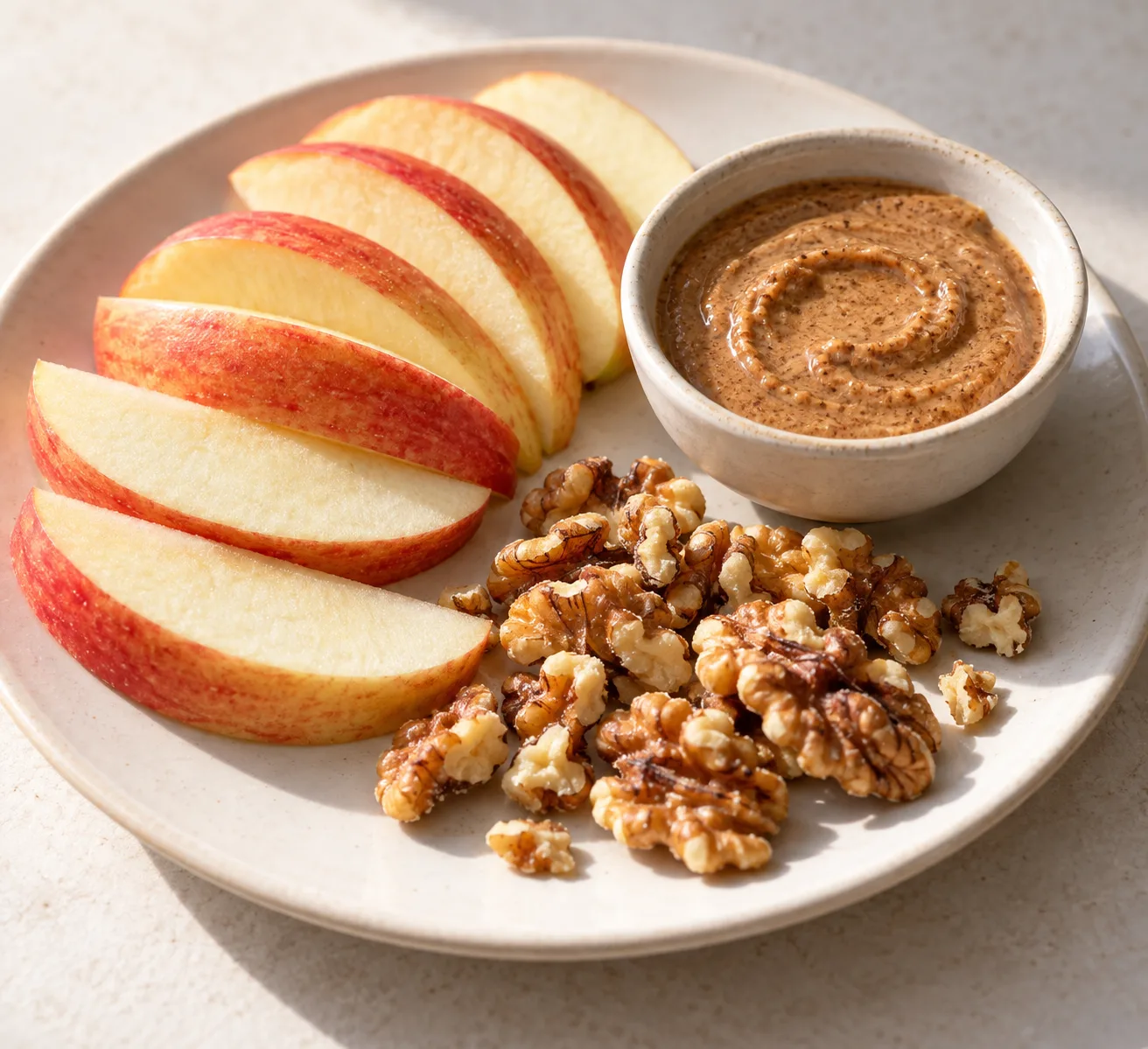
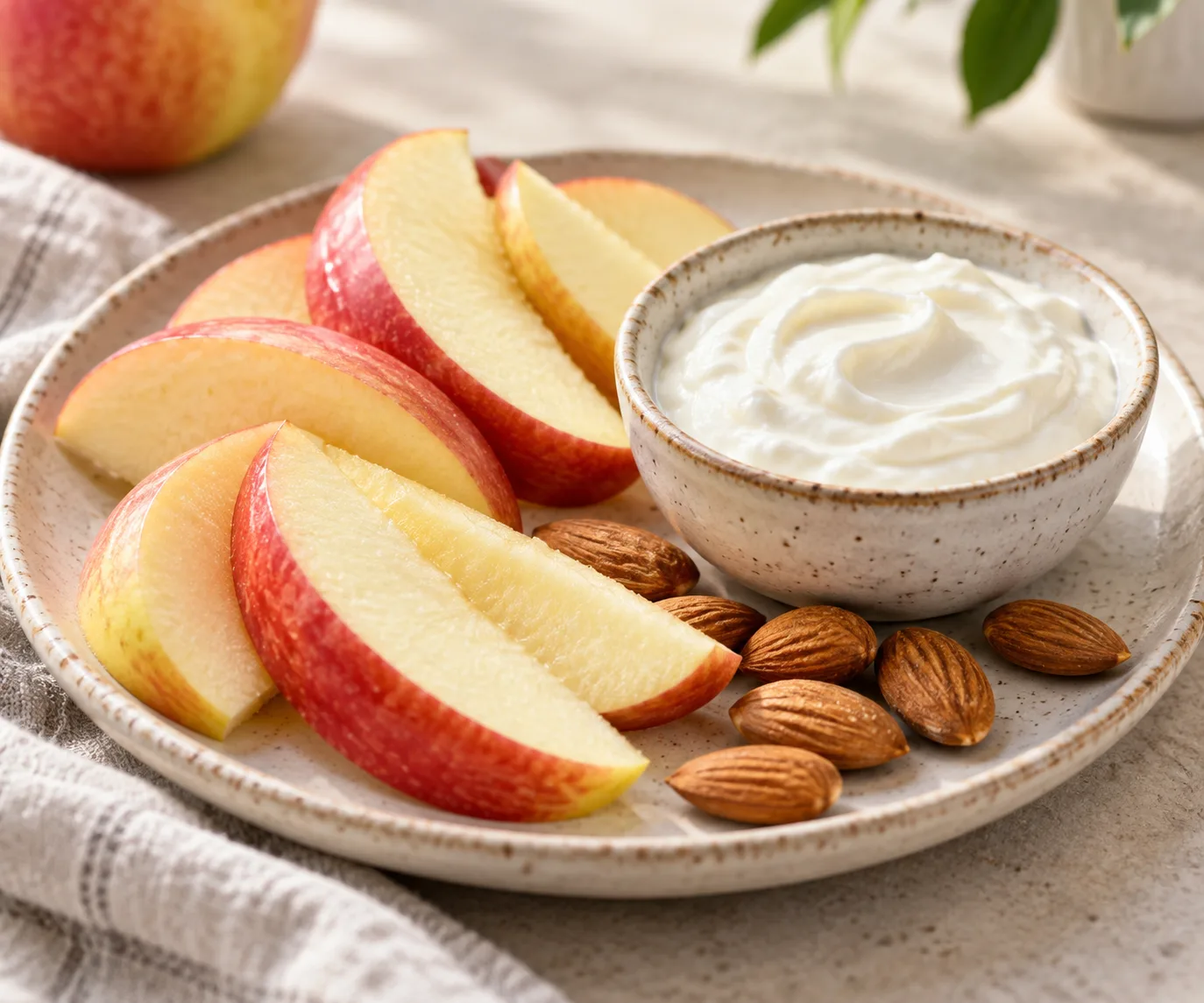
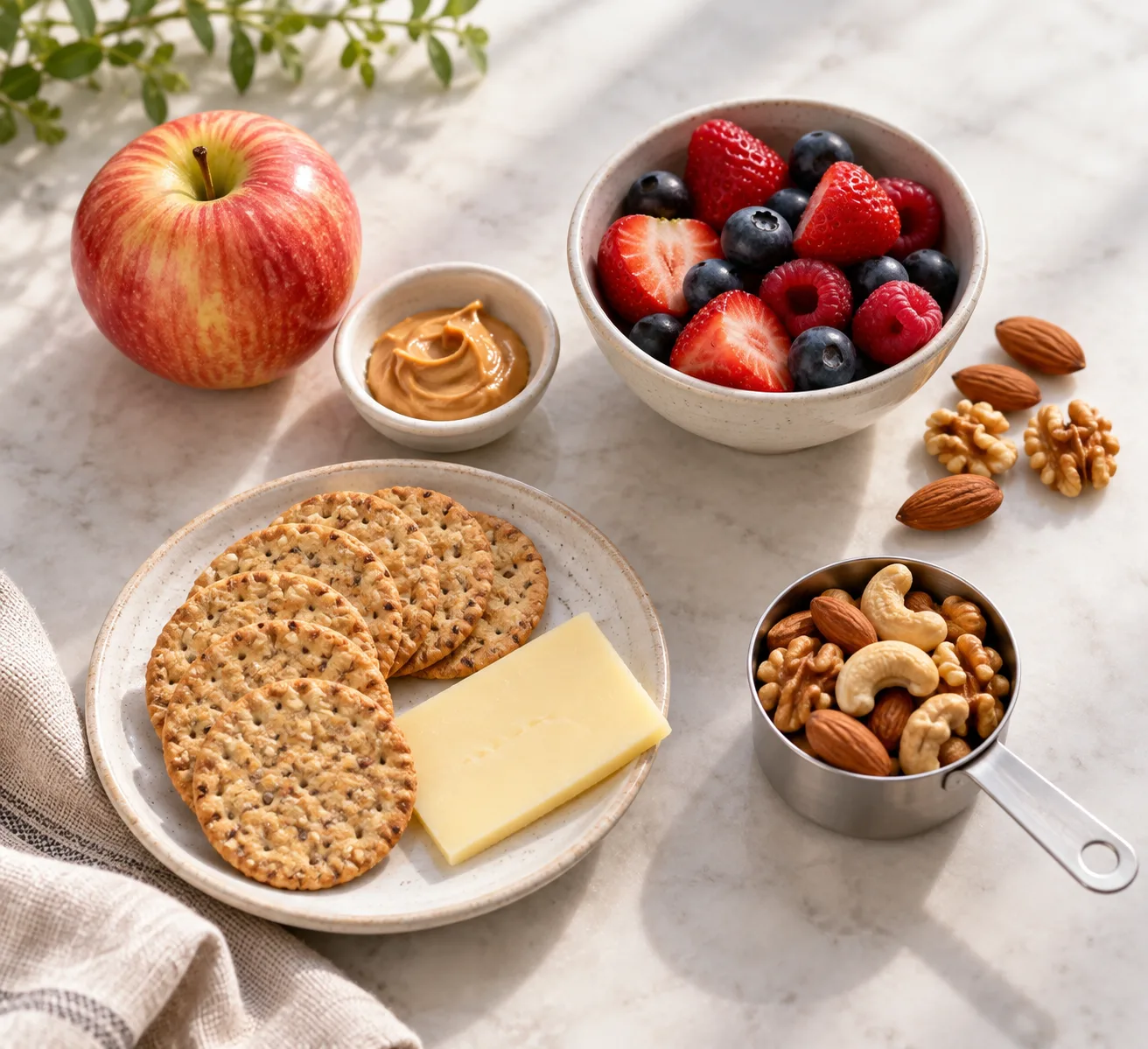
Portion examples can help you compare the carbohydrate amounts reported for common snacks. One source lists an apple with peanut butter and berries with nuts as 15-gram carbohydrate snacks. Six whole-grain crackers with one slice of cheese is another 15-gram example. A quarter cup of unsalted nuts or seeds is listed as a low-carbohydrate option.
A medium baked apple or pear weighing grams is listed as one exchange, or grams of carbohydrate. A 150-gram medium steamed cob of corn is listed as 1.5 exchanges, or grams. A 130-gram can of baked beans is listed as one exchange, or grams. A 300-millilitre milk-based coffee is listed as grams, and a slice of dense grainy or seeded bread as grams. A 67-gram multigrain English muffin with low-fat cheese and tomato is listed as grams. One exchange is approximately grams; a snack under two exchanges contains less than grams. “Snacks for Stable Blood Sugar: Options That Work” uses examples, not a personal portion prescription. “Snacks for Stable Blood Sugar: Options That Work” can help you see the reported amounts. “Snacks for Stable Blood Sugar: Options That Work” doesn’t establish a universal target.
How can you choose packaged snacks by comparing nutrition labels and added sugars?
Read packaged snack labels carefully and choose products with minimal added sweeteners, as one source recommends. The ledger doesn’t provide a step-by-step label-comparison method or a numerical threshold for added sugar, so it can’t tell you how much is “minimal” in a specific product.
Low-sugar varieties of beef or turkey jerky are among the source’s recommendations. Another source describes its high-protein banana bread as having no added sugar and using ripe bananas for sweetness. That is a particular reported example, not evidence that packaged snacks generally contain no added sugar or that banana bread is suitable for every person. If you compare products, the available guidance supports checking labels and looking for minimal added sweeteners, but it doesn’t specify which label numbers to compare or how to rank products. “Snacks for Stable Blood Sugar: Options That Work” doesn’t supply a missing label threshold. “Snacks for Stable Blood Sugar: Options That Work” can point to examples without treating them as blanket rules. “Snacks for Stable Blood Sugar: Options That Work” leaves the exact comparison method unknown.
When should you eat a snack to manage hunger or prevent low blood sugar?
Snacks may help prevent low blood glucose and manage hunger between meals, according to one source. That doesn’t establish a universal snack schedule. The ledger doesn’t specify set times or intervals that apply to everyone.
Some people prescribed blood-glucose-lowering oral medication or insulin may need a carbohydrate-based snack between meals or before bed to prevent hypoglycaemia. The recommendation is conditional, not a direction for every person taking medication. Whether a snack is needed depends on individual management guidance, which the available claims don’t define in detail. “Snacks for Stable Blood Sugar: Options That Work” can describe possible reasons for snacking, but not prescribe when you should eat. “Snacks for Stable Blood Sugar: Options That Work” doesn’t support a fixed daily timetable. “Snacks for Stable Blood Sugar: Options That Work” leaves your personal snack timing to an appropriate care plan.
What precautions should people with diabetes take when choosing snacks, especially if they use insulin or glucose-lowering medication?
People using insulin may need to account for snack carbohydrates, with the amount of insulin needed depending on activity and blood sugar at the time. This makes a snack’s carbohydrate content relevant, but the ledger doesn’t give a dosing formula. Don’t infer one from the snack examples.
For young children whose food intake is unpredictable, one source says it is best to bolus soon after the meal, once carbohydrate intake is known. That guidance is specific to that situation and shouldn’t be generalized to every person. People taking medication or insulin should ask an Accredited Practising Dietitian or Credentialled Diabetes Educator whether snacks belong in their diabetes management plan. “Snacks for Stable Blood Sugar: Options That Work” can help explain food examples, but it doesn’t answer medication questions. “Snacks for Stable Blood Sugar: Options That Work” provides no insulin dose guidance. “Snacks for Stable Blood Sugar: Options That Work” should be used with advice suited to your management plan.
| Snack option | Carbohydrate amount |
|---|---|
| Apple with peanut butter | 15 grams |
| Berries with nuts | 15 grams |
| Six whole-grain crackers with one slice of cheese | 15 grams |
| Medium baked apple or pear (150 grams) | 15 grams |
| Medium steamed cob of corn (150 grams) | 19 grams |
| Can of baked beans (130 grams) | 18 grams |
| Medium cappuccino, latte, or flat white made with low-fat milk or soy milk (300… | 14 grams |
| Slice of dense grainy or seeded bread | 15 grams |
| Tip Top multigrain English muffin (67 grams) with a slice of low-fat cheese and… | 17 grams |
Key Takeaways
- Pay attention to carbohydrate amounts and consider balancing snacks with protein or healthy fats.
- Treat protein recommendations as source-specific; the ledger gives no general snack fiber target.
- Use the portion examples as reported references, not as a personal carbohydrate prescription.
- Check packaged snack labels for added sweeteners, while recognizing that no numerical threshold is provided.
- Ask an Accredited Practising Dietitian or Credentialled Diabetes Educator whether snacks belong in your management plan if you take medication or insulin.
Frequently Asked Questions
What does it mean for a snack to support stable blood sugar?
It means paying attention to carbohydrate amount and balancing snack nutrients; carbohydrates have the greatest effect on blood sugar.
Which snacks combine protein, fiber, or healthy fats to help limit blood sugar spikes?
The ledger supports fewer than distinct options, including Greek yogurt with cinnamon, eggs, almonds, edamame, tuna salad lettuce wraps, celery with natural peanut butter, and cottage cheese with chickpeas.
How much protein, fiber, and carbohydrate should a blood-sugar-friendly snack contain?
One source recommends 5–10 grams of protein per serving, but the ledger gives no general fiber target and no universal adult carbohydrate target.
What portion sizes of common snacks can help keep carbohydrate intake predictable?
Examples include six whole-grain crackers with one slice of cheese as a 15-gram carbohydrate snack; a carbohydrate exchange is approximately grams.
How can you choose packaged snacks by comparing nutrition labels and added sugars?
Read packaged snack labels carefully and choose products with minimal added sweeteners; the ledger gives no numerical added-sugar threshold.
When should you eat a snack to manage hunger or prevent low blood sugar?
Snacks may help with between-meal hunger or prevent low blood glucose, but the ledger doesn’t establish a universal snack schedule.
What precautions should people with diabetes take when choosing snacks, especially if they use insulin or glucose-lowering medication?
Insulin may be needed to cover snack carbohydrates depending on activity and blood sugar; people taking medication or insulin should ask a qualified diabetes care professional whether snacks fit their plan.
